

April 7, 2026
10 min to read


Leadership today isn’t linear. It isn’t quiet. And it definitely isn’t simple.
In this edition of Scaling My Impact, we explore four powerful conversations that challenge how leaders think about growth, responsibility, resilience, and clarity:
These discussions span career pivots, AI governance, burnout prevention, and founder psychology — but they share one common thread:
Leadership requires adaptability, not ego.
Stay tuned until the end of this newsletter to catch last week’s poll results on what our community values most in a leader.
On February 24, 2026, Michael Lopez sat down with Rakshit Kharbanda for a Top Voices Tuesday conversation that went far beyond career advice. It was a discussion about intentional risk-taking, nonlinear growth, and building a life anchored in curiosity and relationships.
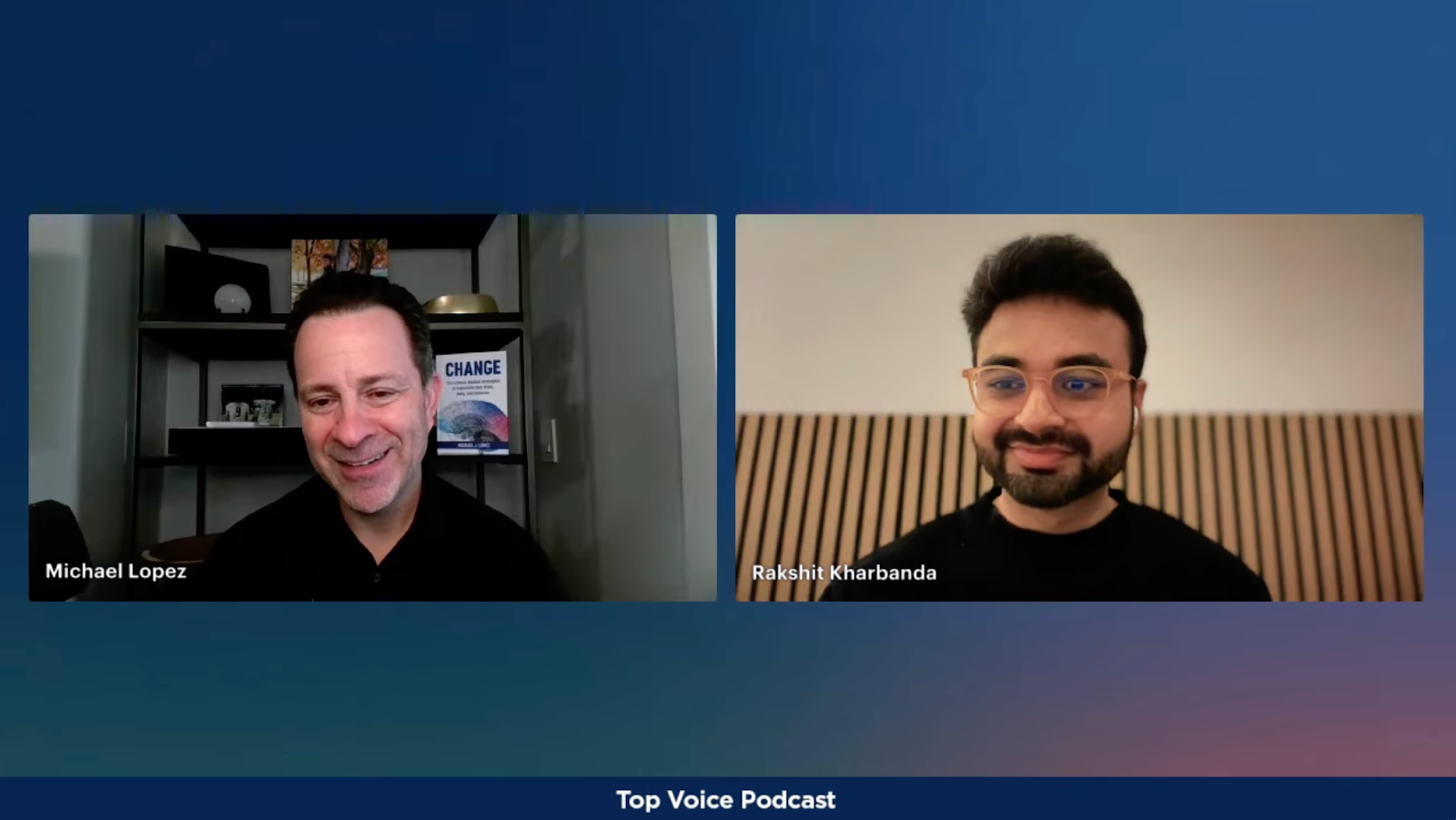
Rakshit’s path spans four countries in 3.5 years — India, France, Germany, and Canada — culminating in his current role as a Risk & Analytics Manager in Munich. But as both agreed, this story isn’t about geography. It’s about mindset.
Michael captured it perfectly:
“You’re a couple decades behind me in life, but a couple decades ahead of me in experience.”
Rakshit’s philosophy is simple:
“The worst case is that someone would say no to me, which isn’t that bad.”
That belief led him to message a founder directly on LinkedIn — resulting in an internship that became his full-time role.
Nonlinear careers are increasingly tied to adaptability and innovation, a trend noted by Forbes.
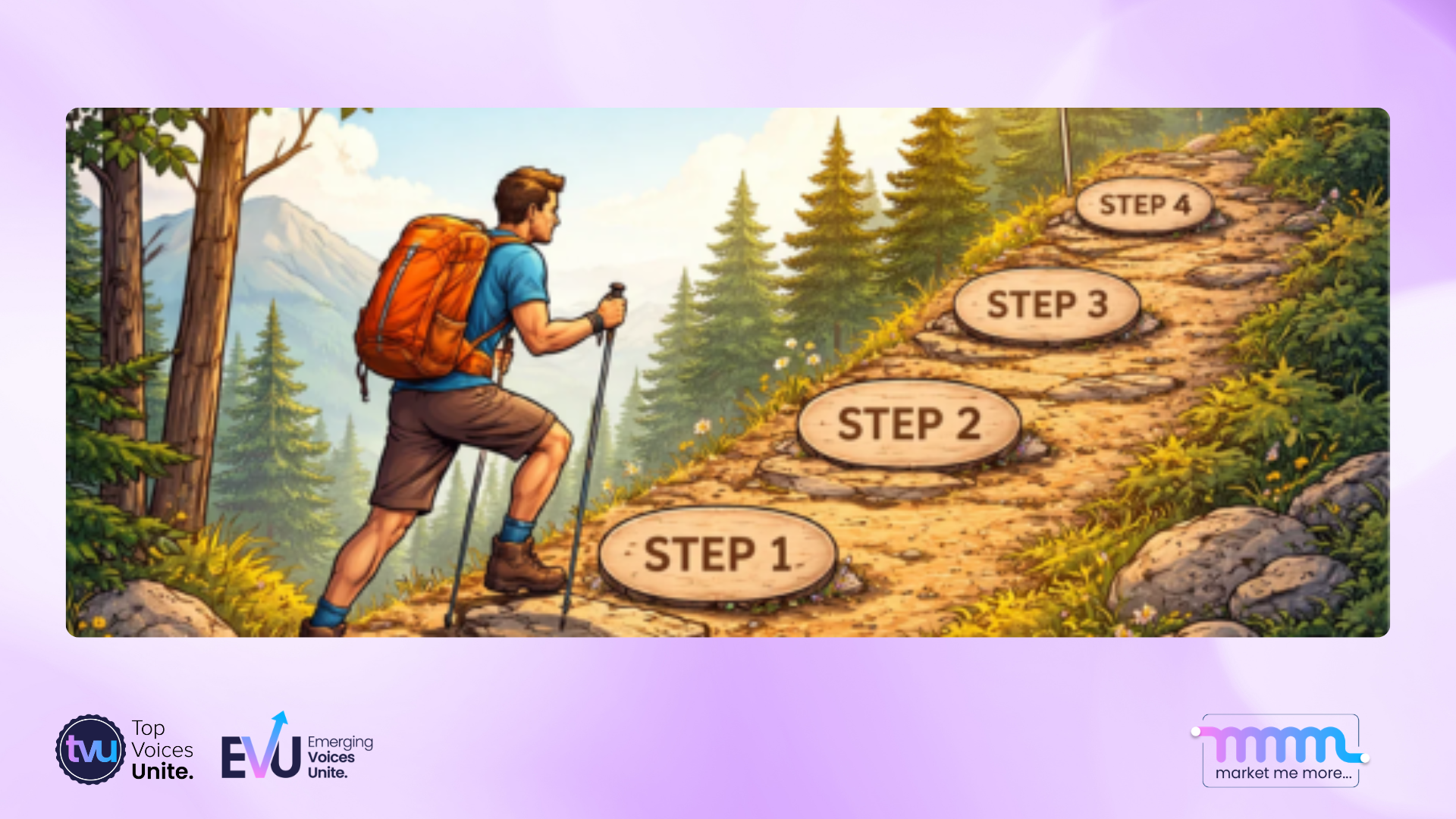
When navigating visa challenges, housing uncertainty, and cross-country transitions, Rakshit didn’t try to solve everything at once.
“At that point in time, I was just dealing with one problem at a time.”
Using a hiking metaphor, he explained:
“What if I just climb this 50 steps, take a minute break, and climb the next 50?”
Michael reinforced:
“You can’t do everything, but you can do the next thing.”
Behavioral science supports this approach — breaking goals into smaller milestones increases motivation and follow-through.
When asked what he would rebuild if everything disappeared, Rakshit didn’t hesitate:
“I would build again my relationships with people.”
He added:
“People care about the work you do, but even more so how you make them feel.”
That’s legacy thinking.
📺 Watch the Full Episode
🤝 Connect with Rakshit Kharbanda LinkedIn
🤝 Website: https://rakshakarbanda.com
🤝 Podcast: Maven Talks
🎙 Follow Michael Lopez for future Top Voices Tuesday discussions:
👉 Join the next Top Voices Tuesday episode with Philip Ledgerwood on March 4 at 12:00 PM EST on LinkedIn Live. Register here!
AI isn’t just about bigger models or better prompts. It’s about risk, accountability, and trust.
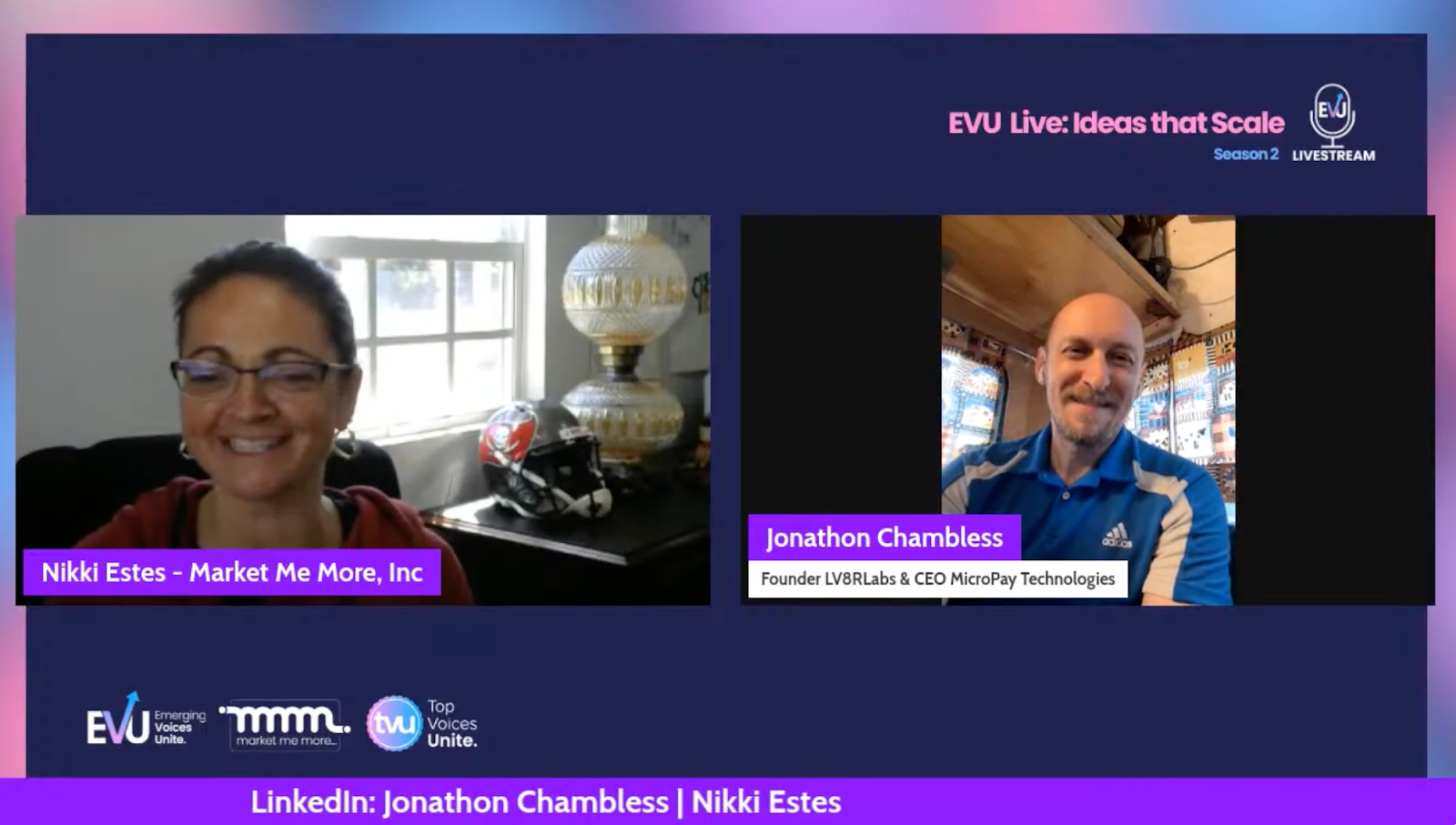
In this EVU Live episode last February 25, 2026 at 10 AM ET, Nikki Estes sat down with Jonathon Chambless to unpack one of the most misunderstood distinctions in today’s AI conversation:
Enterprise AI is not consumer AI at scale. It’s AI with accountability.
Jonathan framed it clearly:
“Scale is a big part of it, but it's not necessarily the heart… I look at it like delight versus accountability.”
That distinction changes everything.
Consumer AI prioritizes novelty and user experience. Enterprise AI prioritizes compliance, workflow, and regulation.
Jonathan asked the defining question:
“Does it meet all of the guardrails for a professional use case, or is it just something you enjoy using?”
In high-stakes industries — architecture, finance, healthcare — mistakes aren’t inconvenient.
They’re costly. They’re regulated. Sometimes, they’re life-threatening.
1. Accountability > Novelty
“Delight versus accountability.”
Enterprise AI must meet professional guardrails — not just user expectations.
2. Security Is the Foundation
“The foundational layer ideally would be security… risk mitigation.”
Enterprise systems require:
Innovation without governance becomes liability.
3. Trust Is Human
“AI doesn't just generate trust… that's something that a human builds over time.”
Automation may accelerate workflows.
Responsibility remains human.
Jonathan outlined three alignment layers:
“The first one is the prompt… then context engineering… then organizational goals.”
Enterprise AI must align with:
Without alignment, automation introduces risk instead of value.
He warned clearly:
“We can compromise our security and allow automation at breakneck pace… but at what cost?”
Real-world reminder: Samsung temporarily banned ChatGPT after proprietary data exposure.
The lesson? Innovation without governance is liability.
📺 Watch the Full Episode
In LinkedIn: EVU Live Season 2- Episode 2: Enterprise vs Consumer AI – Ideas That Scale
In Youtube: EVU Live Season 2- Episode 2: Enterprise vs Consumer AI – Ideas That Scale
🤝 Connect with Jonathon Chambless for practical insights on enterprise AI, compliance, and automation in high-stakes industries.
🎙 Follow Nikki Estes for conversations spotlighting emerging voices, scalable ideas, and the future of AI-powered business.
Leadership isn’t built in comfort. It’s shaped in pressure, rejection, and moments when you must choose humility over ego.
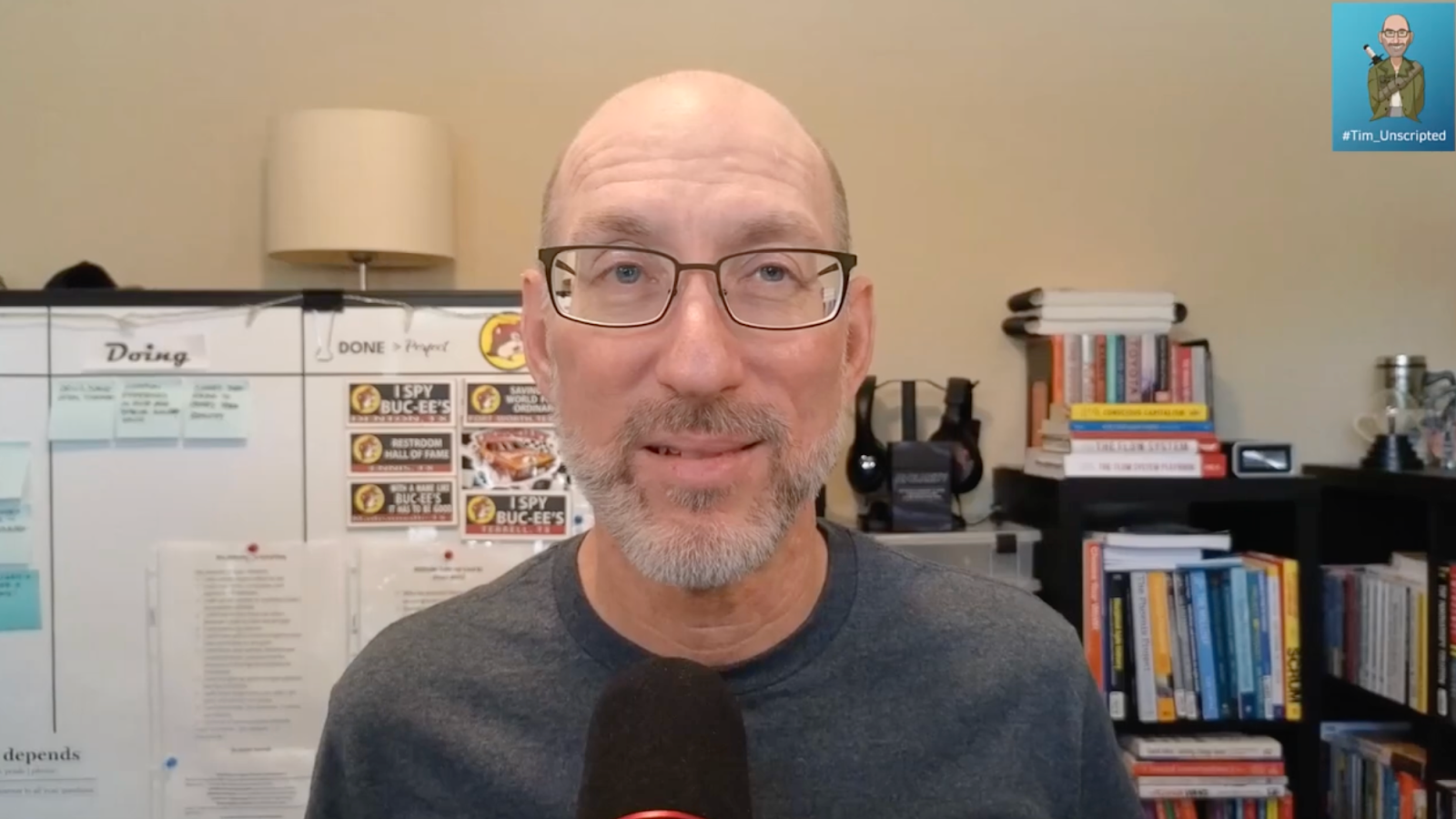
Across three February sessions of Life Lessons Learned, Tim • • Dickey unpacked powerful lessons on networking under stress, surviving unexpected setbacks, and embracing humility in rapidly evolving environments.
The throughline?
Leadership isn’t about control. It’s about mindset.
In Connected Assistance, Tim shared how a single relationship changed the trajectory of his career.
“One of the biggest reasons why I was hired at IBM wasn’t necessarily because I’m a great interviewer, but it was because of the relationship that I built with a former colleague…”
After nearly a year and a half of job searching, it wasn’t a résumé that opened the door — it was a referral.
“Had I not asked for that assistance… I probably wouldn’t have ever been invited to have an interview.”
Tim emphasized something many leaders forget:
“Always say thank you when somebody assists you because it’s a pay it forward moment.”
Connection is not weakness. It’s leverage.
In Surviving the Pressure, Tim shared a raw leadership moment:
“I got fired by a client… It was very uncomfortable and it wasn’t something that I was planning or expecting.”
What made it harder?
“I thought I was doing a great job.”
Instead of collapsing under uncertainty, he reframed it:
“I wasn’t going to let a single setback tie me up in knots and stop me from being productive.”
He confronted vague feedback directly:
“What does executive communication look like and how do I improve that? And I got to work.”
Setbacks don’t define leaders. Response does.

In Embrace Humility, Tim tackled one of leadership’s most uncomfortable realities:
“The most uncomfortable spot for me to be in most times is to be in the room where I am the dumbest person there.”
But discomfort becomes opportunity.
“That becomes an opportunity for me to listen first, keep my mouth shut, and take good notes.”
He described constantly shifting between authority and learning:
“I need to always be ready to shift my stance and go from being authoritative to being in learning mode.”
And perhaps the most powerful reflection:
“I would prefer to be the dumbest person in the room… knowing full well that I’m going to learn something and be a better leader as a result.”
Authority without humility limits impact.
1️⃣ Ask for Help Before You’re Desperate “Had I not asked for that assistance…”
2️⃣ Turn Setbacks Into Skill Development “I wasn’t going to let a single setback tie me up in knots…”
3️⃣ Listen Before You Lead “Listen first, keep my mouth shut, and take good notes.”
📺 Watch the full Life Lessons Learned episodes on Youtube:
🤝 Follow Tim • • Dickey for weekly leadership insights, resilience stories, and practical strategies for navigating pressure with clarity and character.
Stay teachable. Stay resilient. Stay connected.
Burnout doesn’t happen overnight. It builds quietly — through pressure, misalignment, and unexamined stress triggers.
In this episode of The People Behind the Posts, Jose Kiggundu sat down with leadership coach Karolina Rosol to explore what really drives burnout — especially among high achievers and leaders.

What emerged wasn’t just a discussion about exhaustion. It was a conversation about clarity, emotional regulation, and sustainable performance.
As Karolina shared:
“When I burned out… I felt totally reactive… less patient, more reactive, less creative.”
Burnout doesn’t erase competence. It distorts it.
Karolina experienced burnout twice.
“I didn’t have any tools to monitor them and I didn’t know how to overcome this situation.”
Many leaders don’t lack skill. They lack awareness.
Burnout often shows up subtly:
As Jose pointed out, sometimes the body signals the issue before the mind does.
The World Health Organization defines burnout as a syndrome resulting from chronic workplace stress that has not been successfully managed.
Karolina uses the Energy Leadership Index (ELI) to help leaders identify stress patterns.
“The assessment shows how you operate when you're stressed and how you operate on your good days.”
Many leaders operate in survival mode without realizing it.
Leadership energy leaks often come from:
As Karolina emphasized:
“Performance without alignment is really expensive and it costs you a lot of energy.”

Both Jose and Karolina addressed ego directly.
Leader Jose added:
“Don’t carry your cross alone.”
Leaders often delay support because they believe pushing through is strength.
Karolina reframed it powerfully:
“Leadership performance is limited by emotional regulation, not by intelligence.”
Burnout isn’t about competence. It’s about nervous system overload.
1️⃣ Clarity Reduces Cognitive Load “Ambiguity creates cognitive load.”
2️⃣ Alignment Protects Energy “Performance without alignment is really expensive.”
3️⃣ Presence Is a Weekly Discipline “Having even 30 minutes per week to observe what gave you power…”
📺 Watch the full episode of The People Behind the Posts
🤝 Connect with Karolina Rosol to learn more about the Energy Leadership Index and structured 12-session coaching engagements for long-term resilience.
🎙 Follow Jose Kiggundu for weekly conversations that make leadership more human
If your goal is to lead long and perform well long, use every resource available.
Because sustainable leadership isn’t about pushing harder. It’s about protecting your energy with intention.
Another powerful session of Founders Compass that happened last February 26, it tackled a question that quietly sabotages even the most capable entrepreneurs:
Why do founders focus on the wrong things?
In this session, Phil Neil unpacked one of the most overlooked leadership traps in entrepreneurship: noise.
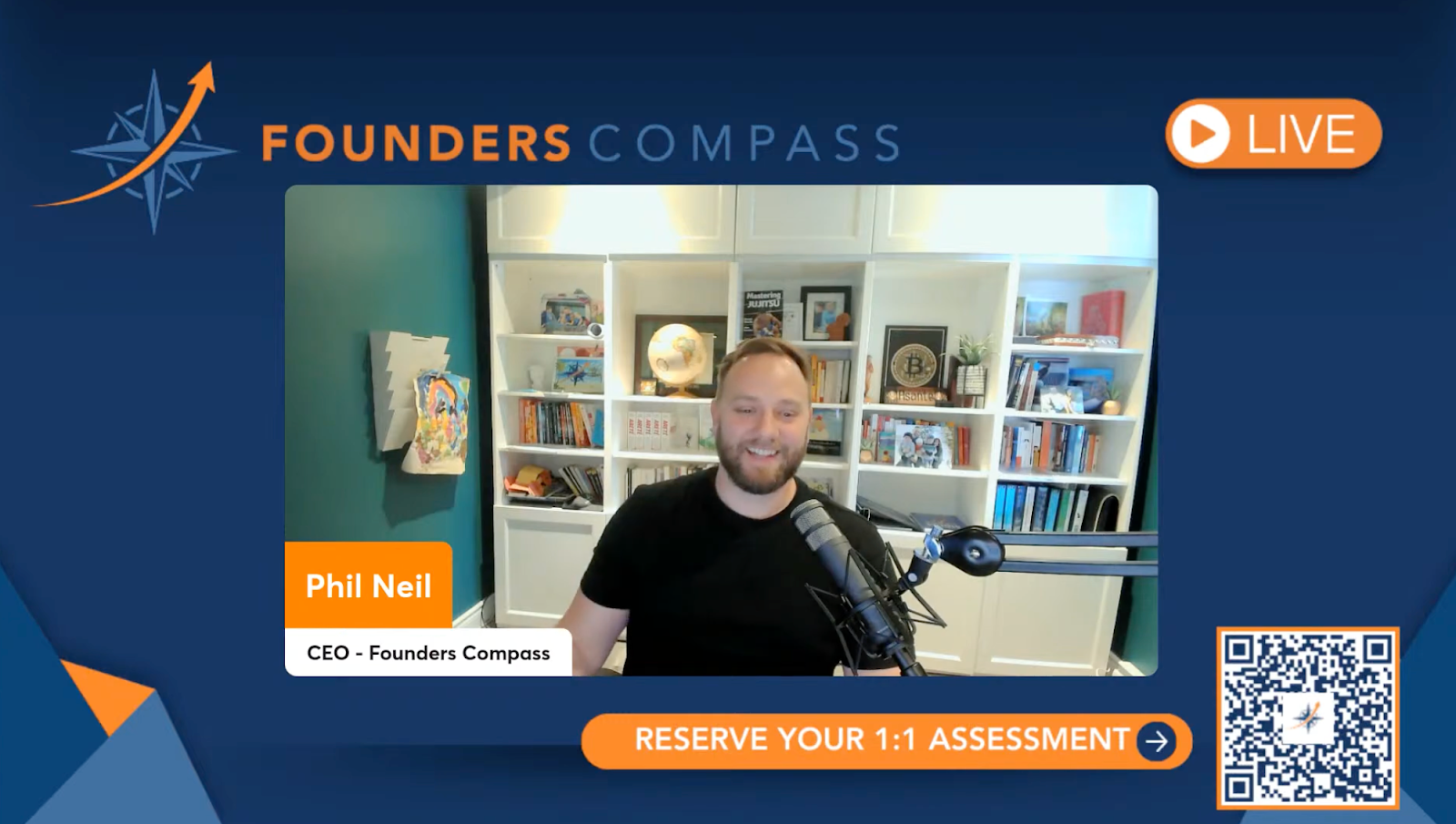
Not market noise. Not social media noise.
But the internal and external signals that feel urgent — yet don’t actually move the business forward.
As Phil put it:
“Growth shouts, but the signal is a whisper.”
This conversation challenged founders to stop reacting to what’s loud — and start anchoring decisions in what’s real.
Phil defines noise simply:
“It’s any input that kind of feel urgent, but it doesn't really move your business.”
Noise creates motion without momentum.
And the danger?
“You pay your mistakes for so long in business.”
Decisions made under noise compound — just not in your favor.
Phil outlined four core categories that distort clarity:
1️⃣ Business Noise
Constant questioning:
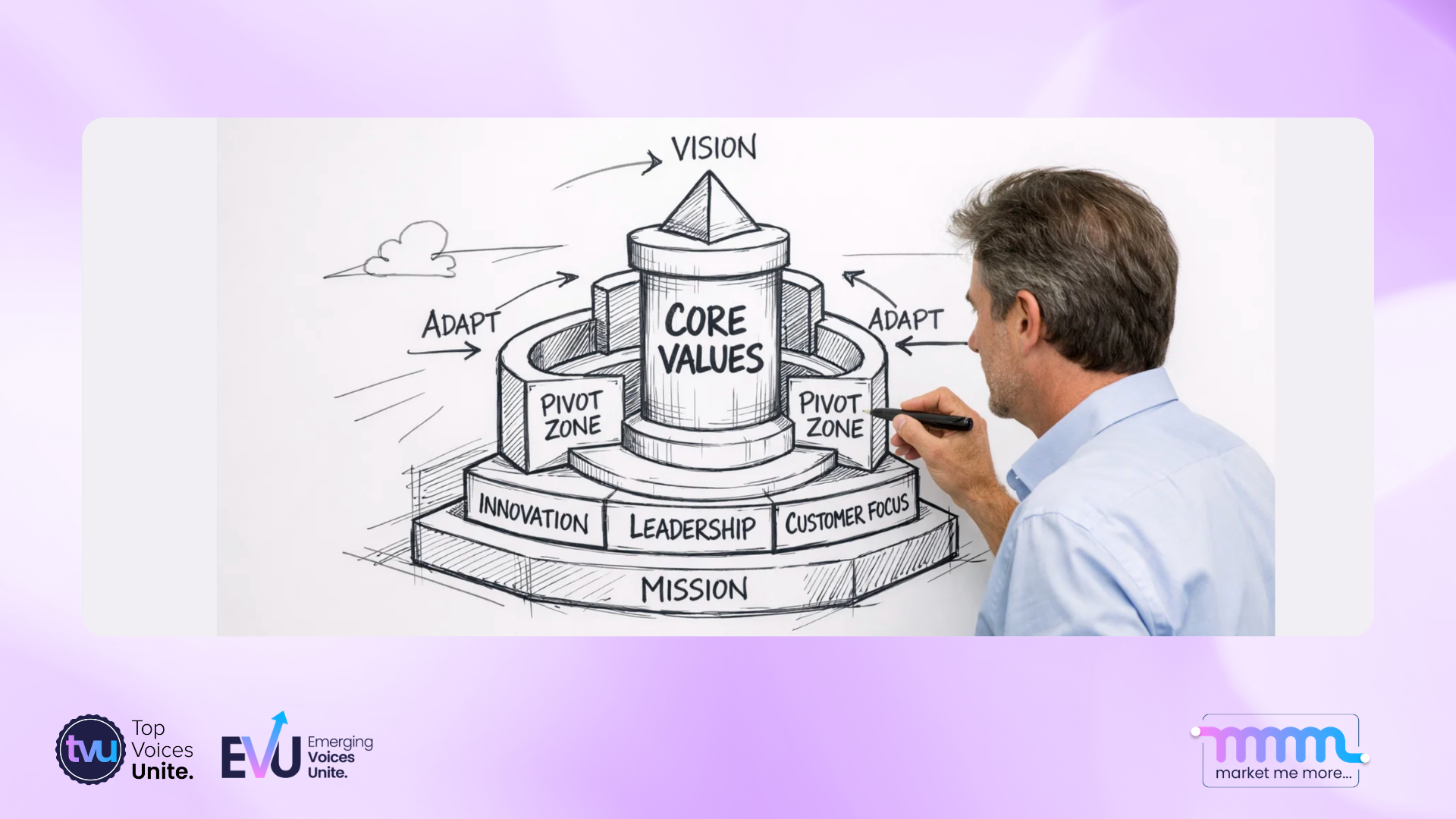
Phil introduced the Monument Concept:
“Some of them are so crucial that if you were to remove or invalidate them, it will never be the same business.”
Your monument is the non-negotiable core. Everything else belongs in the pivot zone.
2️⃣ Identity Noise
Founders unconsciously adopt archetypes:
“These identity noise often erupts as founder conflict.”
Each works in different contexts. None works everywhere.
Leadership psychology research supports this contextual adaptability. McKinsey notes high-performing leaders shift styles based on business stage.
The key: agility, not attachment.
3️⃣ Cognitive Noise
Default thinking loops:
Phil cautioned:
“You might not need more data… you might not need more ideas.”
Sometimes growth requires switching modes — not collecting more input.
4️⃣ Emotional Noise
The deepest layer:
“Founders are visited by the same three emotion of uncertainty, fear and unworthiness.”
And the reframe that landed:
“When you feel uncertain, not treat it as a business issue, but as a founder issue.”
Emotional noise makes small problems feel existential.
Phil’s protocol:
Calm → Clarify → Commit
📺 Watch the full Founders Compass episode replay:
In LinkedIn: Why Founders Focus on the Wrong Things?
In Youtube: Why Founders Focus on the Wrong Things?
🚀 Join the 8-Week Founder Noise Management Program https://www.founderscompass.co
🤝 Connect with Phil Neil on LinkedIn on LinkedIn for monthly founder development sessions, leadership insights, and practical frameworks for navigating uncertainty with resilience.
Last week, we asked:
What do you value most in a leader?
The result from our community:
🏆 Integrity
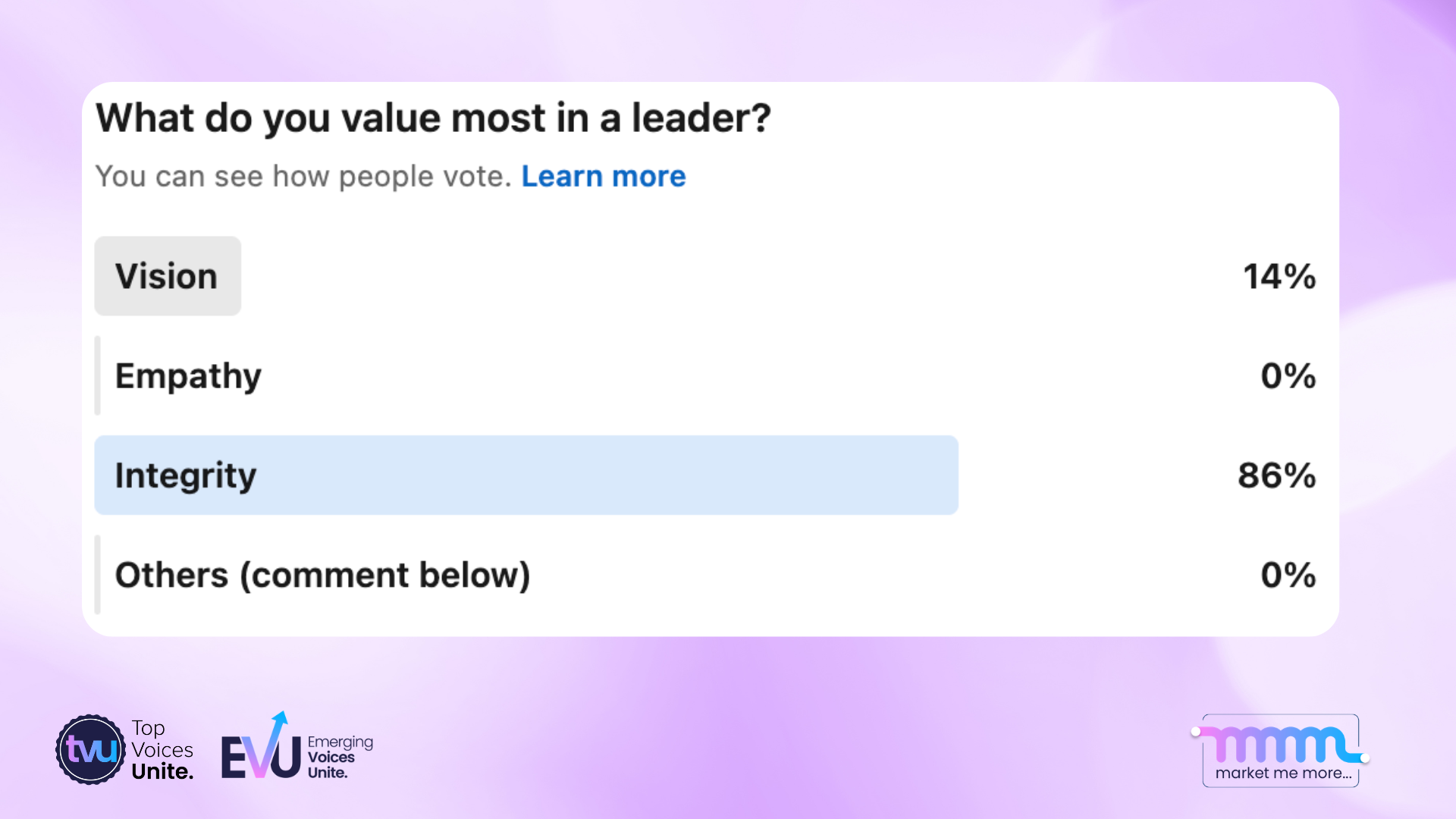
Because great leaders don’t just inspire with vision — they anchor with values.
A special thanks to these Voices who voted and engaged:
See the full poll here
Want more weekly strategy breakdowns like this?
Build your voice.
Expand your reach.
Lead with substance.