
How Do You Stay Relevant, Resilient, and Visible in a Noisy World?
January invites us not only to look ahead—but to pause and reflect on the values that guide how we lead.
In honor of Martin Luther King Jr.’s legacy, this week is a moment to consider the principles that shape our decisions, our voices, and the way we show up for others. Dr. King’s leadership reminds us that influence isn’t rooted in title or authority—but in values lived out daily.
Leadership, at its core, is values in action.
That reflection inspired this week’s community poll:
Which MLK-inspired value guides your leadership most?
🗳️ Cast your vote, reflect, and join the conversation. Your response isn’t just a choice—it’s a statement about the kind of leadership you’re carrying into this year.
Whether your guiding value is courage, service, integrity, justice, or compassion, each one shapes how we lead teams, build trust, and create impact in moments that matter most.
Vote in the poll and share why that value resonates with you. Your perspective may inspire someone else to lead more intentionally this year.
Stay tuned—later in this newsletter, we’ll share last week’s poll results and highlight how our community reflected on restoration, gratitude, and energy as we entered the new year.
As we move deeper into 2026, one question keeps surfacing across leadership, careers, and content creation:
How do you stand out—and stay grounded—when everything feels louder, faster, and more automated?
This week’s three Top Voices conversations explore that question from different angles, but with one shared insight: clarity comes from intention, not volume. Whether you’re shaping your professional narrative, leading under pressure, or navigating a job market reshaped by AI, these events offer practical lessons rooted in real experience—not theory.
From the power of storytelling on LinkedIn, to leadership forged in discomfort, to modern job-search strategies that cut through the noise, these conversations are designed to help you respond thoughtfully instead of reacting, and to move forward with confidence in a changing landscape.
Let’s dive in.
How to Navigate the Job Market in 2026 Without Getting Lost in the Noise
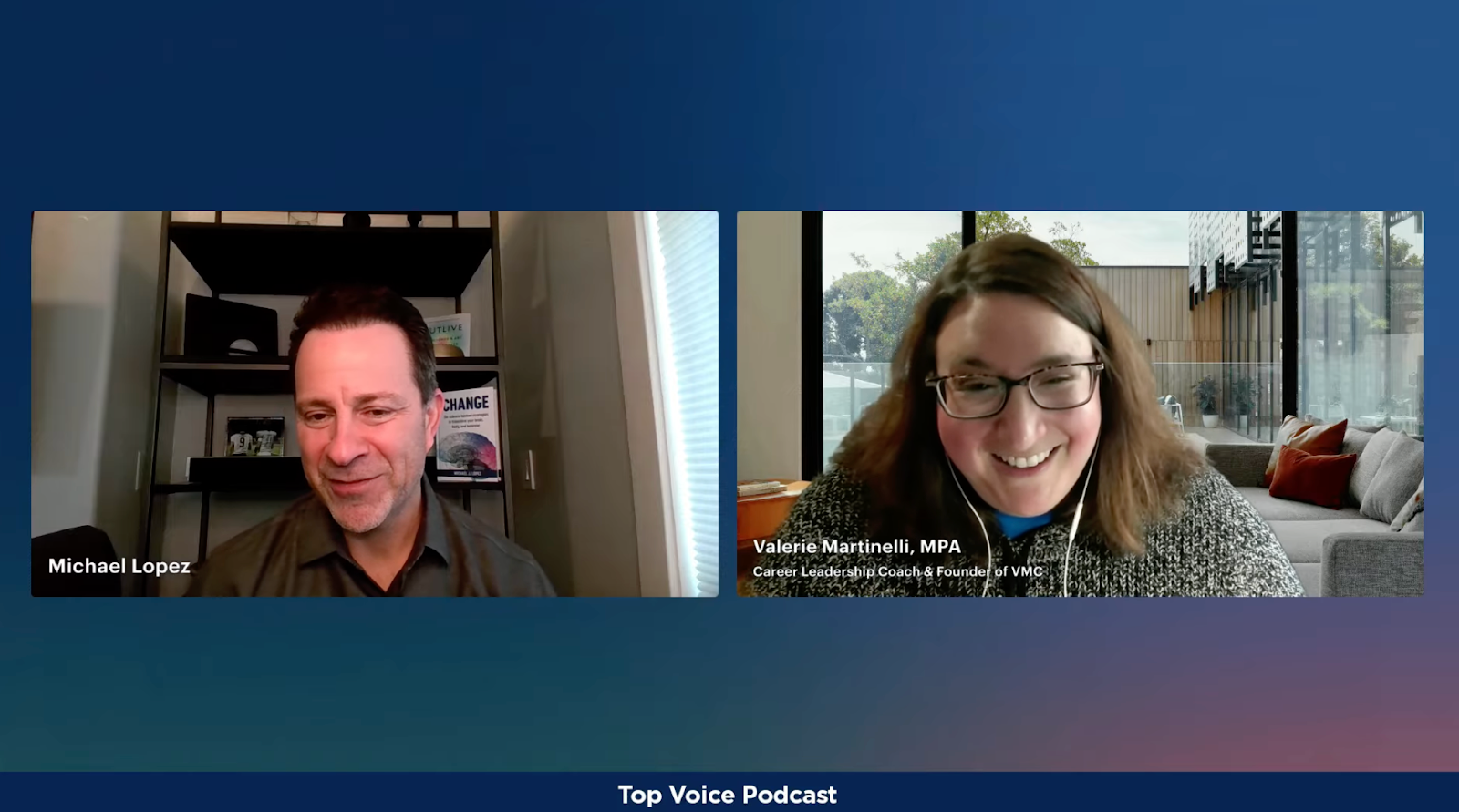
On Top Voices Tuesday — January 15, 2026, at 12:00 PM ET, Michael Lopez hosted a timely conversation titled “Why Your Job Search Strategy Must Evolve in 2026,” featuring career strategist Valerie Martinelli MPA. Together, they explored how the job market has quietly—but fundamentally—shifted, and why strategies that worked just a few years ago are no longer enough.
In a landscape shaped by AI, high-volume applications, and changing hiring ethics, traditional job-search tactics are increasingly falling short. This conversation cut through the noise to clarify what’s actually working in 2026, why mass applications often fail candidates, and how job seekers can regain control by thinking more like entrepreneurs than applicants.
Going beyond resumes and application counts, the discussion offered practical guidance on positioning, visibility, and intentional career strategy—equipping professionals to navigate a rapidly evolving job market with clarity and confidence.
How the Job Market Changed—and Why Volume Applications Are Backfiring
“This market is not rewarding volume. It’s rewarding people who stand out.” — Valerie Martinelli MPA
Valerie explained that AI-powered “easy apply” tools have flooded employers with resumes—sometimes hundreds or thousands per role—without improving outcomes for candidates.
“I saw someone apply to 600 jobs and not get interviews.” — Valerie Martinelli MPA
Hiring teams are overwhelmed, pipelines are bloated, and many postings exist primarily to collect resumes—not fill roles.
What’s changed:
- Quality now beats quantity
- Strategy beats speed
- Positioning beats credentials alone
Recruiters prioritize candidates who demonstrate clear value alignment and human connection, especially through networking and direct engagement.
Why Personal Branding Matters More Than Your Resume
“It’s not the resume that does it—it’s how you position yourself.” — Valerie Martinelli MPA
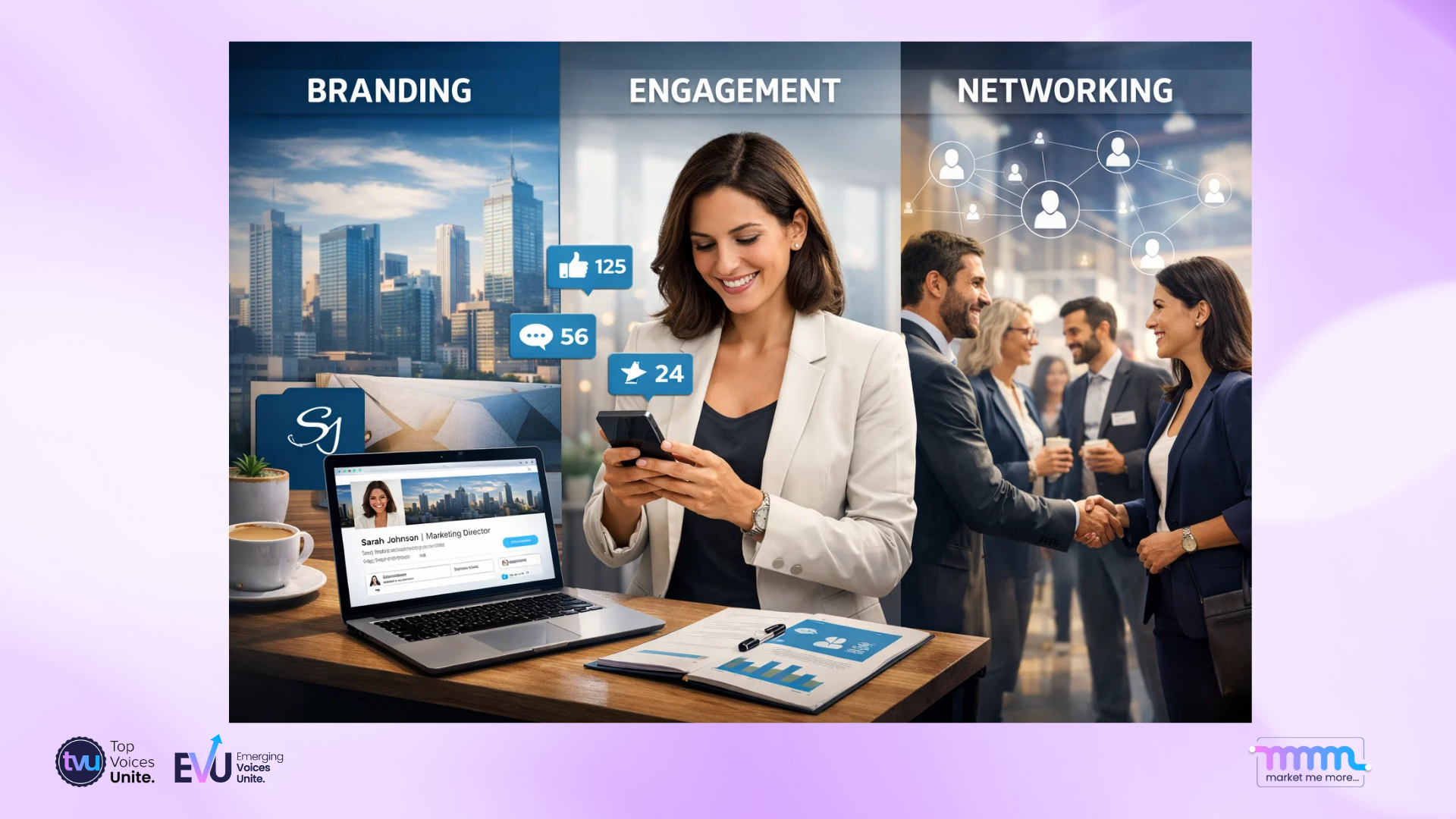
In 2026, resumes are table stakes. Differentiation happens through storytelling, networking, and visibility—especially on LinkedIn.
Valerie emphasized treating LinkedIn as a narrative platform, not a digital filing cabinet.
“Your LinkedIn profile should tell a cohesive story.” — Valerie Martinelli MPA
LinkedIn’s official guidance highlights storytelling and engagement as key drivers of recruiter interest.
How to Use AI in Your Job Search Without Losing Authenticity
“Use AI as an editor—not the generator.” — Valerie Martinelli MPA
AI can save time—but overuse creates sameness.
Valerie recommended using tools like ChatGPT to:
- Identify keywords from job descriptions
- Customize resumes efficiently
- Reduce manual effort
But not to write applications from scratch.
“Machines are now catching AI-written resumes.” — Valerie Martinelli MPA
The goal is speed with originality, not automation without intent.
How Networking Opens Doors That Applications Never Will
“Networking is how you get past the filters.” — Valerie Martinelli MPA
Valerie urged candidates to:
- Reach out thoughtfully to hiring managers
- Engage in comments and discussions
- Build relationships before roles are posted
“You only need one opportunity.” — Michael Lopez
That single connection can change everything.
3 Takeaways for Job Seekers Entering 2026
- Think Like an Entrepreneur, Not an Applicant
“You must stay in the driver’s seat of your career.” — Valerie Martinelli MPA
2. AI Is a Tool—Not a Strategy Use it to refine, not replace, your voice.
3. Support Systems Matter More Than Ever
“No one should go through this alone.” — Valerie Martinelli MPA
How to Reclaim Control in a Chaotic Job Market
The job search of 2026 is longer, noisier, and more emotionally demanding—but it’s not hopeless.
With clarity, positioning, patience, and support, candidates can turn chaos into opportunity. As Valerie reminded viewers, you don’t need hundreds of offers—just one that fits.
3 Ways to Continue the Conversation
📺 Watch the Full Episode
On LinkedIn: Why Your Job Search Strategy Must Evolve in 2026 — Top Voices Tuesday
On Youtube: Why Your Job Search Strategy Must Evolve in 2026 — Top Voices Tuesday
🤝 Connect with the Guest
Explore insights from Valerie Martinelli MPA, on career strategy, leadership development, and proactive job searching.
📩 Email: valerie@askvmc.com
🌐 Website: https://askvmc.com
🔗 LinkedIn: Valerie Martinelli MPA
📬 Get the most of the insights from our featured Top Voices in this episode!
- Connect with Michael Lopez to explore global conversations on leadership, innovation, and community building through Top Voices Tuesday.
Join the next episode of Top Voice Tuesday with Mike Koziol on January 20 at 12:00 PM EST on LinkedIn Live. Register here!
- Learn from Michael’s latest thinking on change and transformation, along with current topics discussed on the Top Voice Tuesday Podcast and subscribe.
Why Storytelling Is the Missing Link in Your LinkedIn Content Strategy
Last January 14, Season 3 of BlueTV opened with a powerful reset: metrics matter—but stories matter more.
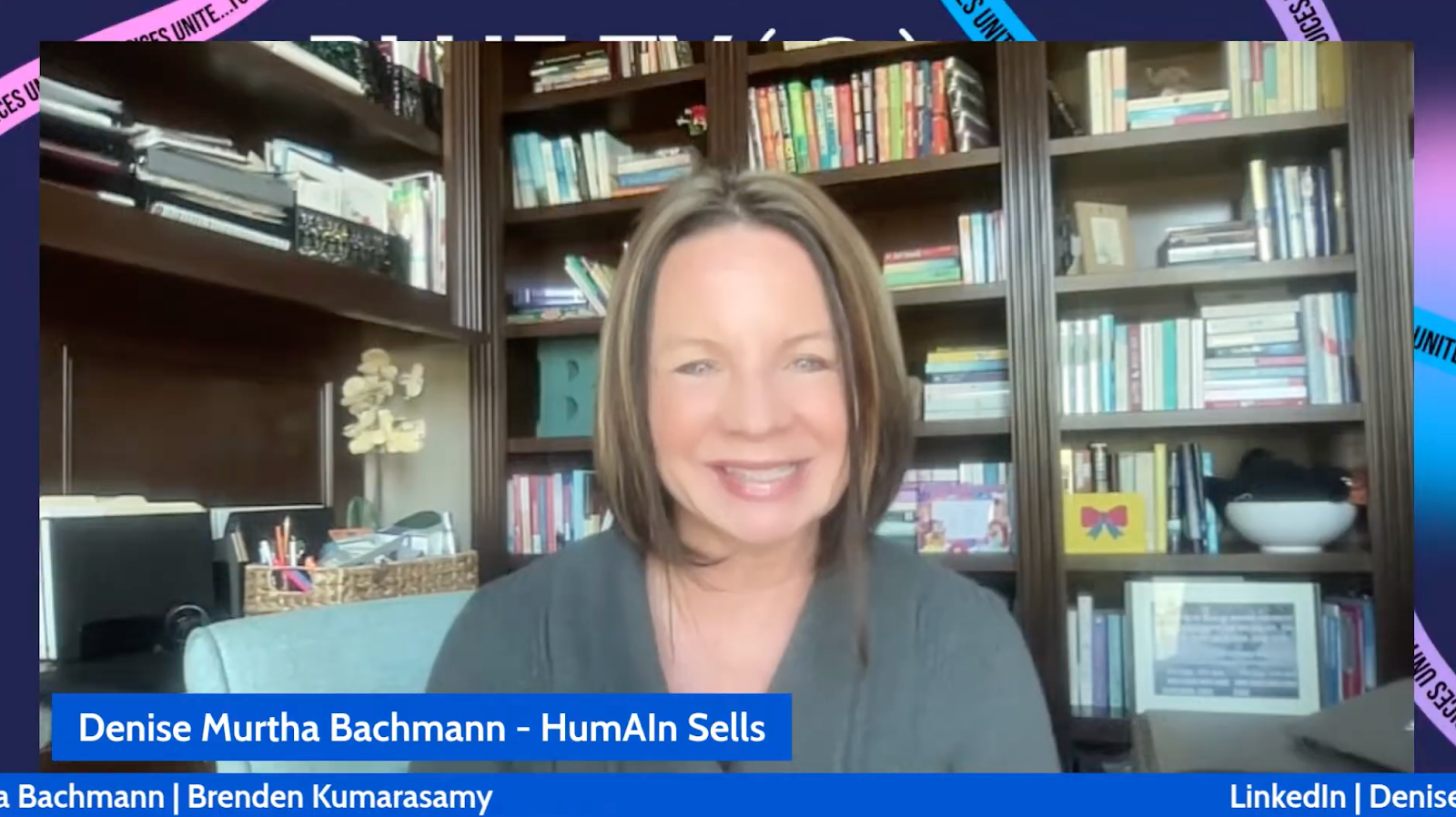
In this solo episode, Denise Murtha Bachmann unpacked why polished LinkedIn posts often fall flat, why engagement stalls despite strong expertise, and how intentional storytelling builds trust faster than tips, hacks, or frameworks ever could.
This conversation reframes LinkedIn content not as “posting,” but as relationship-building through lived experience.
How Storytelling Builds Trust Faster Than Information Alone
“Story builds trust faster than raw information—and trust is what leads to conversations, referrals, and sales.” — Denise Murtha Bachmann
Denise explained that while informational posts may look impressive, they are often forgettable. Stories, on the other hand, add emotional relevance and context—helping audiences feel credibility instead of just reading it.
Stories also allow creators to:
- Stay top of mind without posting daily
- Repeat the same message without sounding repetitive
- Build familiarity and authority over time
A meta-analysis of over 75 studies found that narrative (story) formats were more easily understood and better recalled than expository (fact-based) texts, indicating that stories improve comprehension and memory retention compared with straightforward facts.
Why Most LinkedIn Content Looks Good—but Doesn’t Land
“It may be great content, but it doesn’t feel like anything.” — Denise Murtha Bachmann
Denise challenged viewers to think about their own feed-scrolling habits. The posts that stop us aren’t always the most polished—they’re the ones that invite us into a story.
Information without story:
- Educates, but doesn’t connect
- Gets seen, but doesn’t spark conversation
- Builds awareness, not trust
A study by researchers at the University of Chicago found that emotional content in stories synchronizes attention across individuals and enhances engagement. The same brain areas light up during emotionally resonant moments, helping people not only pay attention but also encode memories more deeply.
How to Be Honest About Selling Without Losing Authenticity
“About 95% of us are here to sell something.” — Denise Murtha Bachmann
Denise encouraged creators to stop pretending LinkedIn isn’t a business platform. Whether you’re selling a product, service, message, or thought leadership—clarity of intent frees better storytelling.
Being honest about selling:
- Sharpens messaging
- Reduces content confusion
- Aligns stories with outcomes
Experts note that clear, concise communication reduces ambiguity, improves audience understanding, and builds credibility — all of which strengthen trust and consistency over time.
How to Tell Stories Without Oversharing or Turning LinkedIn Into a Diary
“Storytelling is not about oversharing or emotional displays for attention.” — Denise Murtha Bachmann
Denise shared her own early mistake of oversharing—and the lesson it taught her about boundaries. Effective storytelling is intentional, not emotional for effect.
The key distinction:
- ❌ Oversharing seeks attention
- ✅ Storytelling delivers insight with purpose
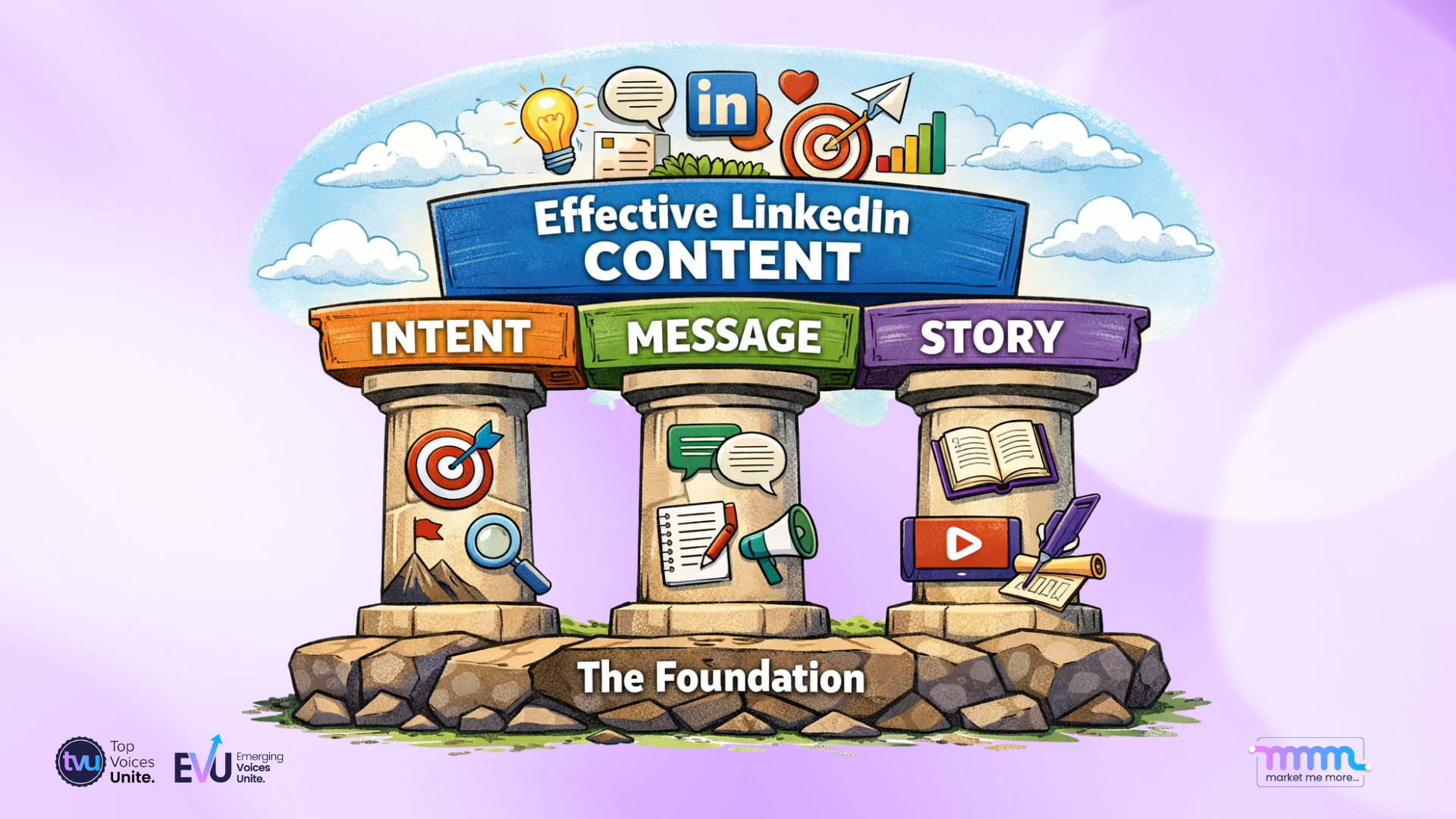
3 Steps to Turn Lived Experience Into Strategic LinkedIn Content
“If you’re struggling to post consistently, it’s because you’re trying to post content instead of telling a story.” — Denise Murtha Bachmann
Denise outlined a simple, repeatable framework:
- Define Your Intent What do you want this post to achieve?
- Clarify the Message What belief or takeaway supports that intent?
- Anchor It With a Story What real experience illustrates the message?
This approach transforms everyday experiences into meaningful, engaging content.
How Stories Solve the Repetition Problem in Content Creation
“You can say the same message ten times—but tell ten different stories.” — Denise Murtha Bachmann
Stories allow creators to revisit core ideas without sounding redundant. Over time, your storytelling style becomes familiar—building authority and comfort with your audience.
What to Do This Week to Improve Your LinkedIn Content
Denise closed the episode with a practical challenge:
- Review your last two months of content
- Compare informational posts vs. story-driven posts
- Note which sparked more engagement and conversation
- Define the intent, message, and story for your next post
“Story builds trust—and trust leads to conversations, opportunities, and partnerships.”
If your LinkedIn content feels polished but forgettable, the issue isn’t effort—it’s story. Metrics may show reach, but stories create resonance. And resonance is what turns content into connection.
3 Ways to Continue the Conversation
📺 Watch the Full Episode
On LinkedIn: BlueTV Season 3, Episode 1: The Power of Storytelling in LinkedIn Content Strategy
On Youtube: BlueTV Season 3, Episode 1: The Power of Storytelling in LinkedIn Content Strategy
🤝 Connect With the Host
Follow Denise Murtha Bachmann for insights on sales, storytelling, and strategic LinkedIn growth.
Book a 1:1 Sales Strategy Call with Denise
💬 Join the Community
Comment with #TeamReplay if you watched after the live session and want to continue the discussion.
How Three Defining Moments Shaped a Lifetime of Leadership
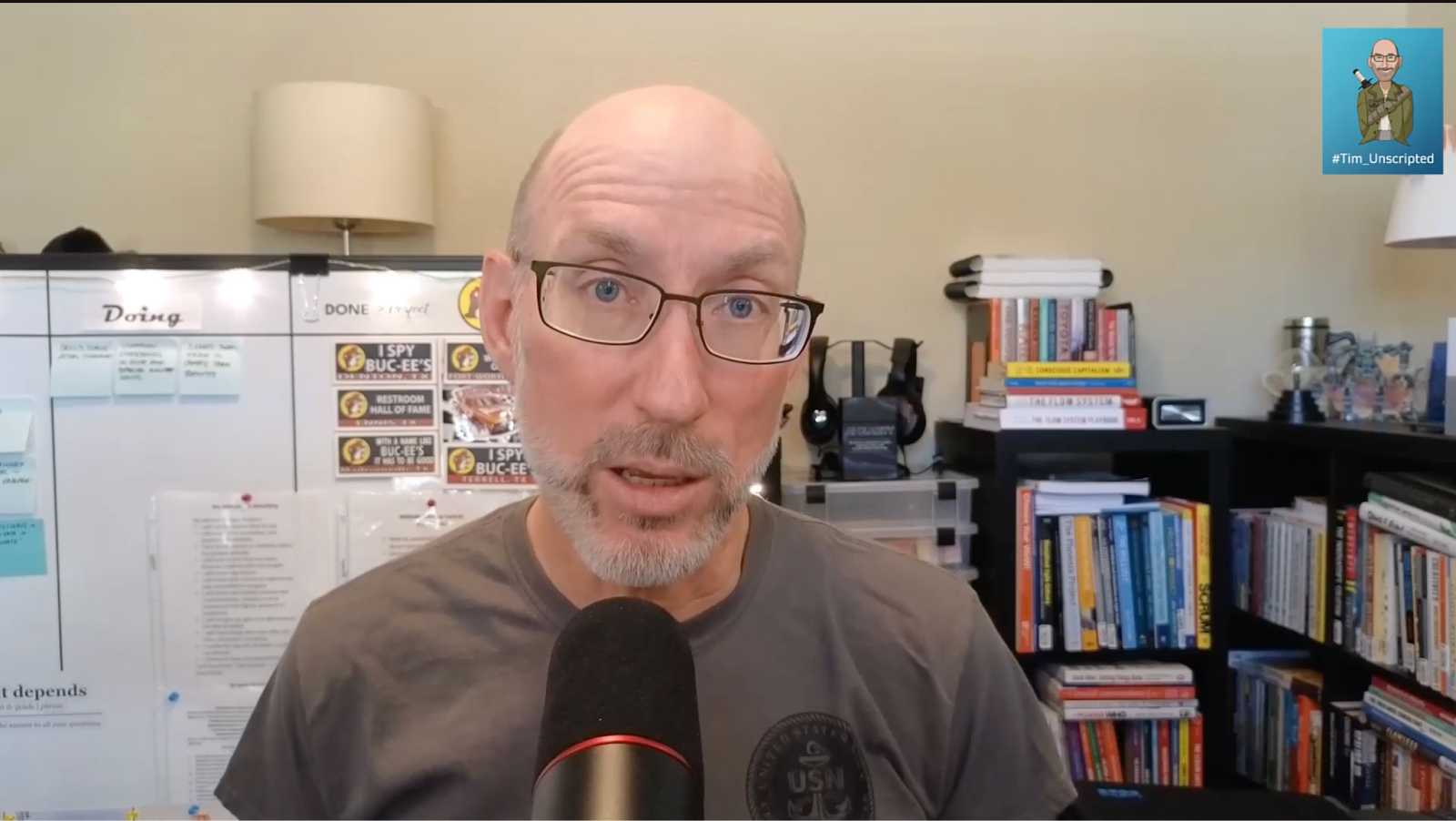
Leadership isn’t formed in comfort—it’s forged in moments of pressure, uncertainty, and decision. Across three powerful Life Lessons Learned episodes last week, Tim • • Dickey reflected on defining experiences from his Navy career that reshaped how he leads, adapts, and responds under stress.
From standing at attention for hours, to pivoting late in a career, to being trained in literal fire, these stories reveal why resilience, adaptability, and calm decision-making matter more than titles or tenure.
How Endurance Builds Leadership When Conditions Are Uncomfortable
“Leaders do what they need to do to get the job done.” — Tim • • Dickey
In Life Lessons Learned: 2 Hours at Attention, Tim recalled the commissioning of the USS Wyoming—an event moved indoors due to extreme heat, lasting nearly two hours with the crew standing the entire time in a non-air-conditioned hall.
Despite discomfort, the mission came first.
“Adverse weather…that’s not going to influence a leader from getting stuff done.” — Tim • • Dickey
The lesson: leadership isn’t about ideal conditions—it’s about commitment to the mission regardless of circumstances.
McKinsey’s leadership research shows that endurance (the ability to sustain effort and clarity over time) is essential for navigating prolonged uncertainty, transformation, and crisis. Leaders who demonstrate endurance reduce burnout and increase organizational stability.
Why It’s Never Too Late to Pivot and Reinvent Your Career
“Even when I thought my career might be over, I could change, adapt, and learn.” — Tim • • Dickey
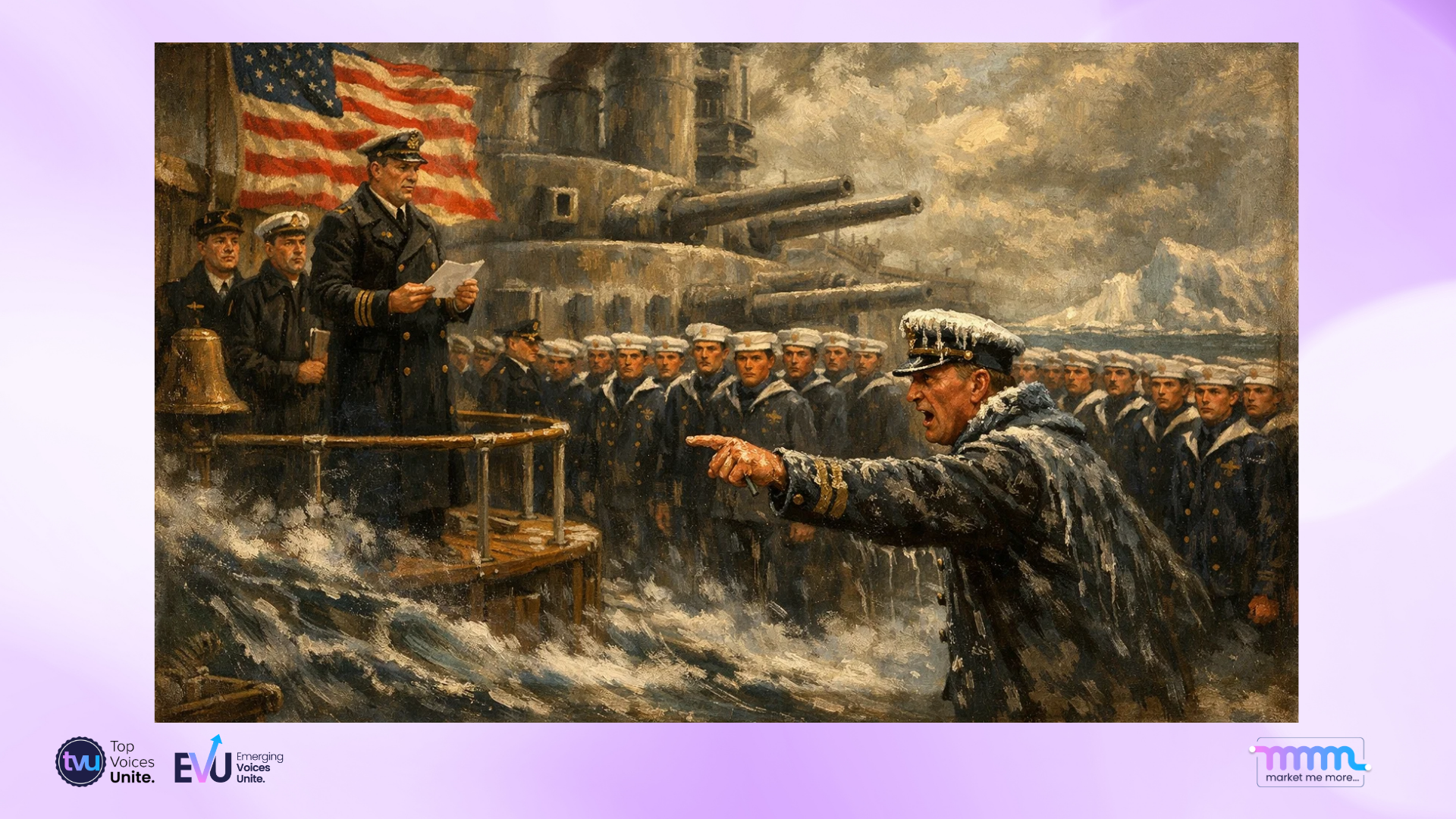
In Never Too Late to Pivot, Tim shared a bold decision: transitioning from an administrative role to an intelligence specialist late in his Navy Reserve career. The move required intense training, long travel, and a willingness to start over.
“That pivot proved to be one of the most instrumental of my entire professional life.” — Tim • • Dickey
The takeaway is universal—growth doesn’t have an expiration date. Leaders must stay curious, flexible, and action-oriented.
Career development research highlights adaptability and continuous learning as drivers of long-term relevance.
How Leaders Learn to Respond—Not React—Under Pressure
“Leaders respond, they don’t react.” — Tim • • Dickey
In They Set the Room on Fire, Tim described submarine school training that included live-fire rooms, flood trainers, and escape simulations—designed to condition leaders to stay calm when everything goes wrong.
“All of that was designed to help us operate under the worst conditions.” — Tim • • Dickey
This training embedded a mindset that separates strong leaders from overwhelmed ones: controlled response beats emotional reaction.
Stress-management and leadership studies show that trained response improves decision-making in crises.

3 Leadership Lessons You Can Apply Immediately
- Endurance Creates Credibility
“Commitment shows up when conditions are tough.” — Tim • • Dickey
2. Adaptability Keeps You Relevant
Career pivots aren’t setbacks—they’re strategic resets.
3. Response Is a Skill You Can Train
“Leaders internalize stress—they don’t collapse under it.” — Tim • • Dickey
How to Apply These Lessons in Your Own Leadership Journey
Ask yourself:
- Where am I avoiding discomfort?
- What pivot have I been postponing?
- How do I respond when pressure spikes?
Leadership isn’t built in theory—it’s built in moments of pressure, choice, and courage. As Tim Dickey’s stories show, the leaders who endure, adapt, and respond with clarity are the ones who last.
3 Ways to Continue the Conversation
📺 Watch the Full Life Lessons Learned Series
🤝 Connect With the Host
Follow Tim • • Dickey for ongoing insights on leadership, resilience, and career transitions.
🧠 Apply One Lesson This Week
Choose endurance, adaptability, or calm response—and practice it intentionally.
Last Week’s Poll Results: Reflection & Gratitude in Action
Last week, we asked our community a deeper, quieter question:
“How do you restore your energy and express gratitude?”
Inspired by World Introvert Day (Jan 2) and International Thank-You Day (Jan 11), this poll invited reflection—not performance—and the responses reminded us that leadership isn’t always loud.
The results are in—and they reveal a community that values intention, appreciation, and meaningful connection.
Poll Results:
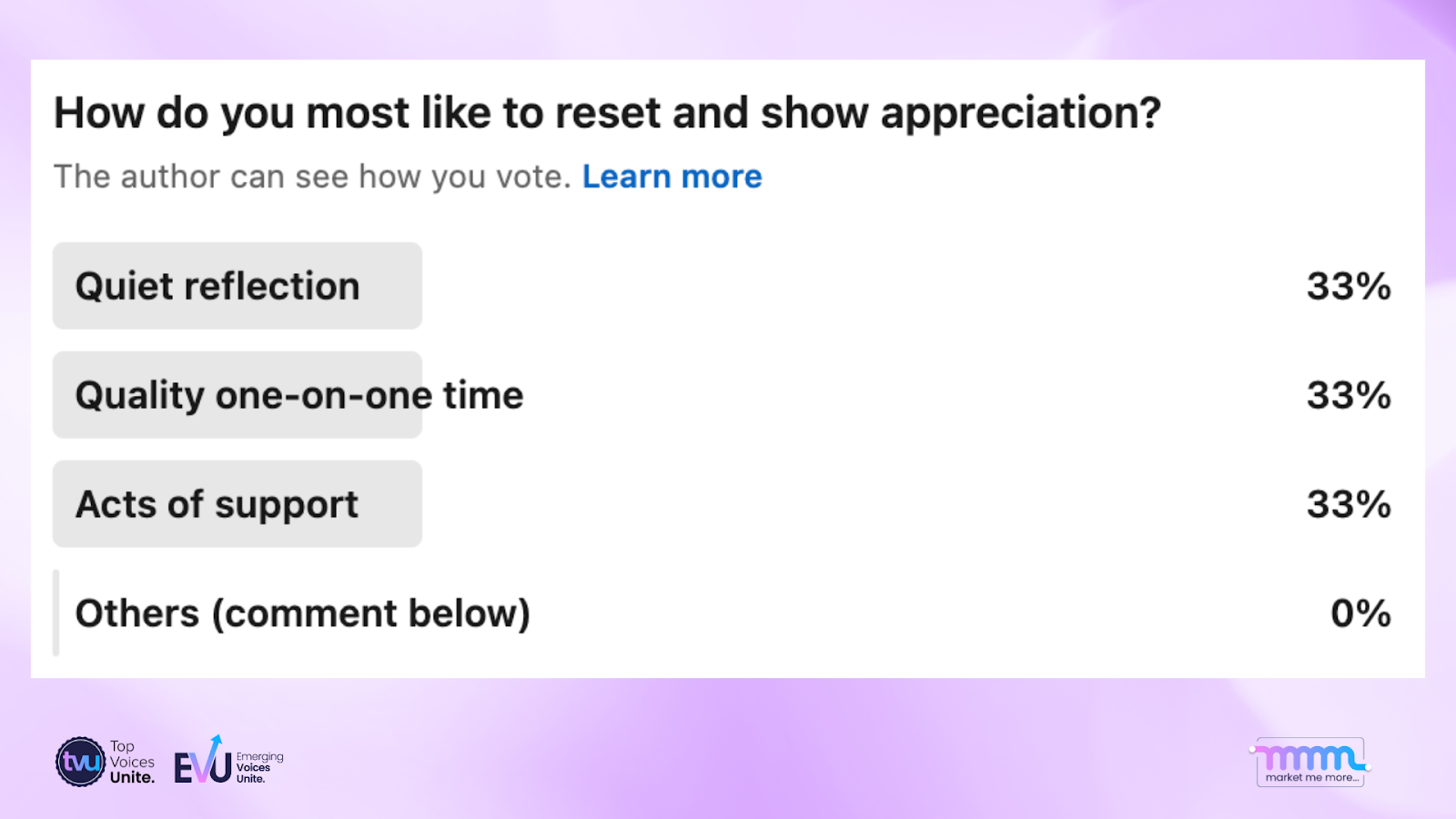
What stood out most wasn’t just how people voted—but why.
One response captured the spirit of this moment perfectly:
“I made this a personal goal for 2026—to let many people know how much they mean to me personally and professionally. At this stage of life, it’s less about financial impact and more about making an impact in other people’s lives.” — Geno Scala
Geno went on to share how learning from fellow Top Voice Denise Murtha Bachmann reshaped his approach to staying connected—consistently reaching out, expressing appreciation, and honoring relationships that have shaped his journey.
“It’s amazing how doing this really fills your soul with joy.”
That reflection says it all.
This is what community looks like—not just voting, but pausing, sharing, and acknowledging one another. Whether through quiet moments of solitude or intentional expressions of gratitude, each response reinforced a shared truth:
How we restore ourselves—and how we thank others—shapes the year ahead.
Thank you to everyone who participated, reflected, and reminded us that growth begins within—and ripples outward.
See the full conversation on LinkedIn
Stay Connected to What Matters Most
Want more weekly strategy breakdowns like this?
- Subscribe to Scaling My Impact for weekly recaps and standout moments from our Top Voices Unite livestreams.
- Register for our weekly Market Me More newsletter to learn more from our Voices community, industry experts who teach on technology, sustainability, leadership, and go to market strategies, and how these affect the future of work.
Build your voice.
Expand your reach.
Lead with substance.
Executive Secretary & Producer, Market Me More + Emerging Voices Unite