
How to Lead, Build & Stay Human in a World of AI, Money & Meaning
-1.png)
4 Conversations Revealing What Actually Moves People, Markets, and Modern Leadership
What happens when technology moves faster than trust, money evolves faster than meaning, and leadership demands more humanity—not less?
This week’s Top Voices lineup brings together four powerful conversations exploring how leaders, creators, and investors stay grounded while navigating AI disruption, digital economies, personal growth, and public influence.
From AI ethics and visibility to crypto culture and financial clarity, from purpose-driven wealth to the real people behind viral posts, these sessions reveal one shared truth: momentum isn’t created by tools alone—it’s built through intention, awareness, and connection.
Whether you’re questioning how AI should show up in your work, rethinking your relationship with money, exploring the future of digital ownership, or learning how authentic voices cut through the noise, this week’s events offer insight you can apply immediately.
This isn’t about chasing trends. It’s about leading with clarity while everything else accelerates.
Why the Future of AI Depends on Human Connection and Intentionality

In this episode of CryptoZombies, host Nick Larson sat down with Melissa Roy, Chris Kelly, and Cory Warfield to explore the next phase of AI: from generative models to agentic AI. The group discussed how AI is transforming industries, the future of blockchain, and what this means for companies, developers, and consumers. This wasn’t just about what AI can do today—it’s about preparing for what it will do tomorrow.
Here are 4 Key Insights from the conversation:
1. How Tokenization is Bridging Real-World Assets and Blockchain
“Tokenizing assets brings blockchain from theory to practice. It unlocks liquidity and expands market access.” — Melissa Roy
Melissa shared her excitement over the SEC's approval for tokenizing real-world assets, from stocks to sports teams. This is a breakthrough for blockchain, enabling secure and efficient trading of traditional assets on-chain. While the technology is still evolving, platforms like Public.com are beginning to integrate these assets into the crypto space.
“Tokenization is the next logical step for integrating traditional markets with blockchain technology.” — Nick Larson
Nick added that this shift is the bridge between crypto enthusiasts and traditional investors, helping to establish legitimacy for blockchain within mainstream financial systems.
Tokenization is a major disruptor in finance. Here's a detailed look at how tokenization will reshape the economy.
.png?width=1920&height=1080&name=Crypto%20Zombies%20(1).png)
2. Why APIs Are the Unsung Heroes of Web3 and Agentic AI
“APIs are the backbone of Web3. Without them, blockchain complexity would be impossible to scale effectively.” — Melissa Roy
Melissa emphasized that APIs are central to Web3’s scalability. By enabling seamless interactions between decentralized apps and blockchain protocols, APIs make it easier for developers to build and scale applications that require blockchain’s transparency and security.
“APIs give blockchain its true potential to scale, by making complex interactions simple for developers.” — Chris Kelly
Chris highlighted that APIs reduce the entry barriers for developers, allowing them to focus on innovation rather than complex backend infrastructure.
APIs are critical in scaling blockchain systems. Here's an in-depth guide on how APIs fuel blockchain adoption.
3. How Enterprises Can Scale AI Safely with Governance and Security
“As enterprises move from AI experiments to scaling, governance and security must be prioritized to mitigate risk and enhance trust.” — Melissa Roy
Melissa discussed how scaling AI in large enterprises requires careful attention to governance and security to avoid compliance issues and prevent algorithmic biases.
“AI needs to be guided by governance models that align with business needs. Without this, you risk losing control over how AI interacts with your organization.” — Cory Warfield
Cory added that governance models must be clear, transparent, and adaptable. Enterprises that fail to implement them risk operational inefficiencies and ethical violations.
Enterprises looking to scale AI need structured governance frameworks. Read how companies can prepare for AI scale-up without sacrificing compliance.
.png?width=1920&height=1080&name=Crypto%20Zombies%20(2).png)
4. Why Product-Led Growth Should Drive Crypto Projects, Not Token-Led Growth
“Token-led growth often fails because it focuses on governance, not the user experience. Product-led growth drives sustainable adoption.” — Melissa Roy
Melissa shared that crypto projects often focus too heavily on tokens and governance models rather than on the user experience. Product-led growth (PLG), which emphasizes ease of use and user acquisition, is key to long-term success.
“Product-led growth is about making sure that what you build has inherent value for the user — before thinking about governance.” — Nick Larson
Nick emphasized that tokenomics should be an enabler, not the core focus. It’s the product experience that keeps users coming back.
Product-led growth is essential for crypto projects. Here's why PLG is a winning strategy for the industry.
What You Can Do Next to Drive AI and Crypto Innovation
1. Focus on Governance and Security in Your AI Integrations
Ensure that AI scaling is deliberate and secure, with a formal governance model in place.
2. Start Using APIs to Scale Blockchain and AI Projects
APIs are the foundation for scaling Web3 applications and ensuring smooth blockchain interactions.
3. Prioritize User Needs Over Tokenomics in Crypto Projects
User experience should always come first. Use tokens as an enhancement, not the primary driver.
Continue the Conversation and Build Connections
📺 Watch the Full Episode of CZ 13: From Generative to Agentic: The Next Phase of AI Ft. Melissa Roy
Connect with the Speakers:
- Nick Larson — Host, CryptoZombies
Explore Nick’s expertise in AI, crypto, and Web3.
- Cory Warfield — Futurist & Ethical AI Advocate
Follow Cory for insights on the future of technology, AI ethics, and innovation.
- Chris Kelly — Blockchain Expert
Connect with Chris to stay up-to-date on the latest in blockchain and decentralized finance.
- Melissa Roy — AI & Blockchain Expert
Engage with Melissa for expert advice on AI-driven systems, blockchain adoption, and product-led growth.
How to Navigate the Future of AI: Embracing Intentionality and Human Connection
“The future of AI isn’t just about the tech. It’s about how we use it to unlock new possibilities for individuals and enterprises alike.” — Melissa Roy
As AI continues to evolve, we are no longer just developing tools, we are shaping the very way we interact, collaborate, and innovate. The true promise of AI lies not only in its technical potential but in its ability to amplify human ingenuity, creativity, and ethics.
In the coming years, AI won’t just be about automating tasks or generating content. It will be about empowering people to solve complex problems, build more inclusive societies, and achieve new heights in business and beyond.
"AI is not just about improving what we do; it's about expanding what we can do together." — Chris Kelly
The next phase of AI — from generative to agentic — requires us to think intentionally about how we deploy these systems in service of human growth. The challenge lies in balancing innovation with ethics, ensuring that AI serves as a tool for good, rather than something we simply react to.
In this evolving landscape, those who approach AI with a mindset of collaboration, responsibility, and foresight will lead the charge into a future where the boundaries between technology and humanity are not just blurred, but creatively woven together.
Why Embracing AI Is the Future of Leadership (And How Top Leaders Are Doing It)
Jenny Fernandez and Denise Murtha Bachmann on Blue TV discussing AI adoption and leadership in 2026
Stop ignoring AI. The brutal truth?
Leaders who fail to adapt to rapid AI changes risk losing relevance and productivity in 2026 and beyond. Jenny Fernandez, leadership consultant and executive coach, joined Denise Murtha Bachmann on Blue TV to expose why embracing AI isn’t optional—it’s essential for staying competitive in the future of work.
Here’s what most leaders miss: AI isn’t a threat; it’s an opportunity to enhance your leadership, empower your teams, and drive innovation.
The Breakthrough: AI as a Leadership Tool, Not a Threat
Jenny opened with a fundamental truth about leadership in the age of AI:
“The challenge isn’t technology—it’s overcoming the fear of AI displacing human roles. The key is to integrate AI to enhance your leadership, not replace it.”
The counter-intuitive insight: AI should be seen as your newest team member, helping you accelerate productivity and innovation. Leaders who adopt AI with empathy and purpose will position themselves—and their teams—for long-term success.
AI adoption boosts employee productivity by up to 40%, with a majority of companies making AI a top strategic priority in their business strategies. (National University)
How to Build AI-Ready Leadership for 2026
The structure reflected in Denise and Jenny’s conversation provides a repeatable framework leaders can use to embrace AI and prepare for the future of work:
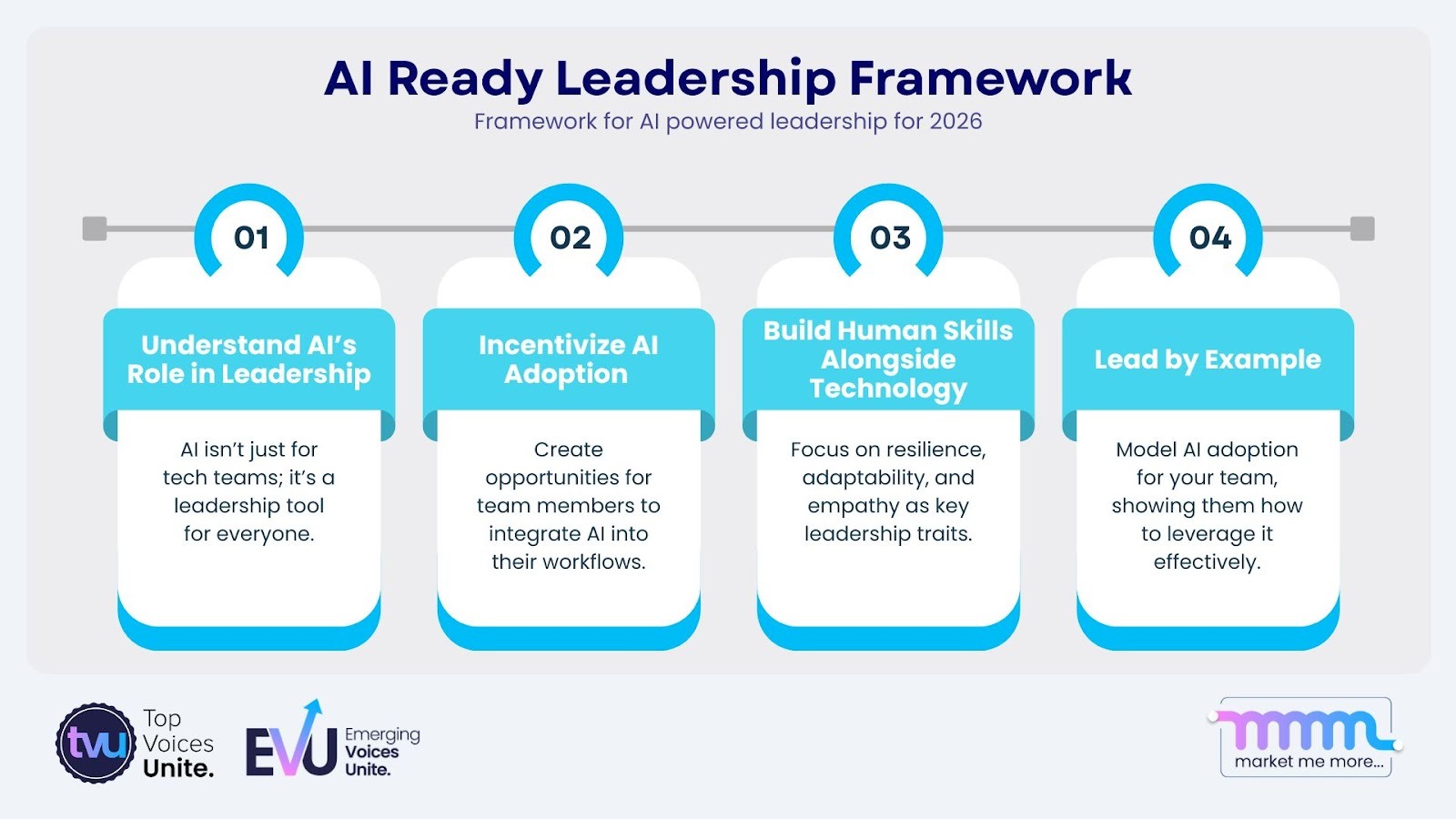
- Understand AI’s Role in Leadership
AI isn’t just for tech teams; it’s a leadership tool for everyone, helping drive innovation, decision-making, and operational efficiency across all areas.
- Incentivize AI Adoption
Create opportunities for team members to integrate AI into their workflows by offering recognition, incentives, and training to build skills and foster innovation.
- Build Human Skills Alongside Technology
Focus on resilience, adaptability, and empathy as key leadership traits, ensuring leaders can guide teams through technological changes while maintaining human connection.
- Lead by Example
Model AI adoption for your team, showing them how to leverage it effectively in daily tasks and encouraging the integration of AI into their roles.
How to Assess Your Skills for Future Leadership Success
One of the most crucial insights from this episode was Jenny’s emphasis on the self-assessment of leadership skills—a key part of staying relevant in the fast-evolving workplace, especially with the rise of AI.
Instead of sticking to traditional leadership approaches, Jenny and Denise recommend using a self-reflection framework:
✔ Identify transferable soft skills: Focus on resilience, adaptability, empathy, and problem-solving—skills that will remain essential as AI continues to advance and reshape industries.
✔ Assess your AI readiness: Leaders should evaluate their current comfort level with AI tools. Jenny suggests integrating AI training or certifications into your routine, even if you don’t use AI daily. This proactive approach keeps you competitive.
✔ Understand what you bring to the table: Reflect on your unique experience, whether it’s project management, sales, or another field, and find ways to align those strengths with future trends. Jenny emphasized that relevance is about blending human skills with technological fluency.
✔ Seek feedback from your network: Reach out to colleagues, mentors, or even LinkedIn connections. Ask them about the skills they value in leadership and where they see gaps. Use this feedback to guide your development.
✔ Make incremental improvements: Start small by identifying one or two skills to enhance this month. Whether it’s improving your communication style or learning a new AI tool, incremental growth adds up to long-term success.
By making these steps a consistent part of your leadership development, you can adapt to new challenges and remain ahead of the curve in the future of work.
Your Action Item: Assess your leadership skills and AI readiness:
- Complete a self-assessment on your strengths and areas for improvement.
- Take an AI course or read about AI integration in leadership.
- Reconnect with 3 dormant LinkedIn connections using personalized outreach.
Replay + Resources
📺 Watch the Full Episode of “Blue TV: Future of Leadership: Essential Skills Leaders Need by 2025”
https://www.linkedin.com/events/bluetv-futureofleadership-essen7387169998500405249/theater/
Stay tuned for the next Blue TV episode!
🔷 Learn more about Jenny Fernandez
🔷 Learn more from Denise Murtha Bachmann
🔷 Book a 1:1 Sales Strategy Call with Denise → [Scheduling Link]
How to Prevent Burnout and Build Resilience: Insights from Laura and Baz Ash
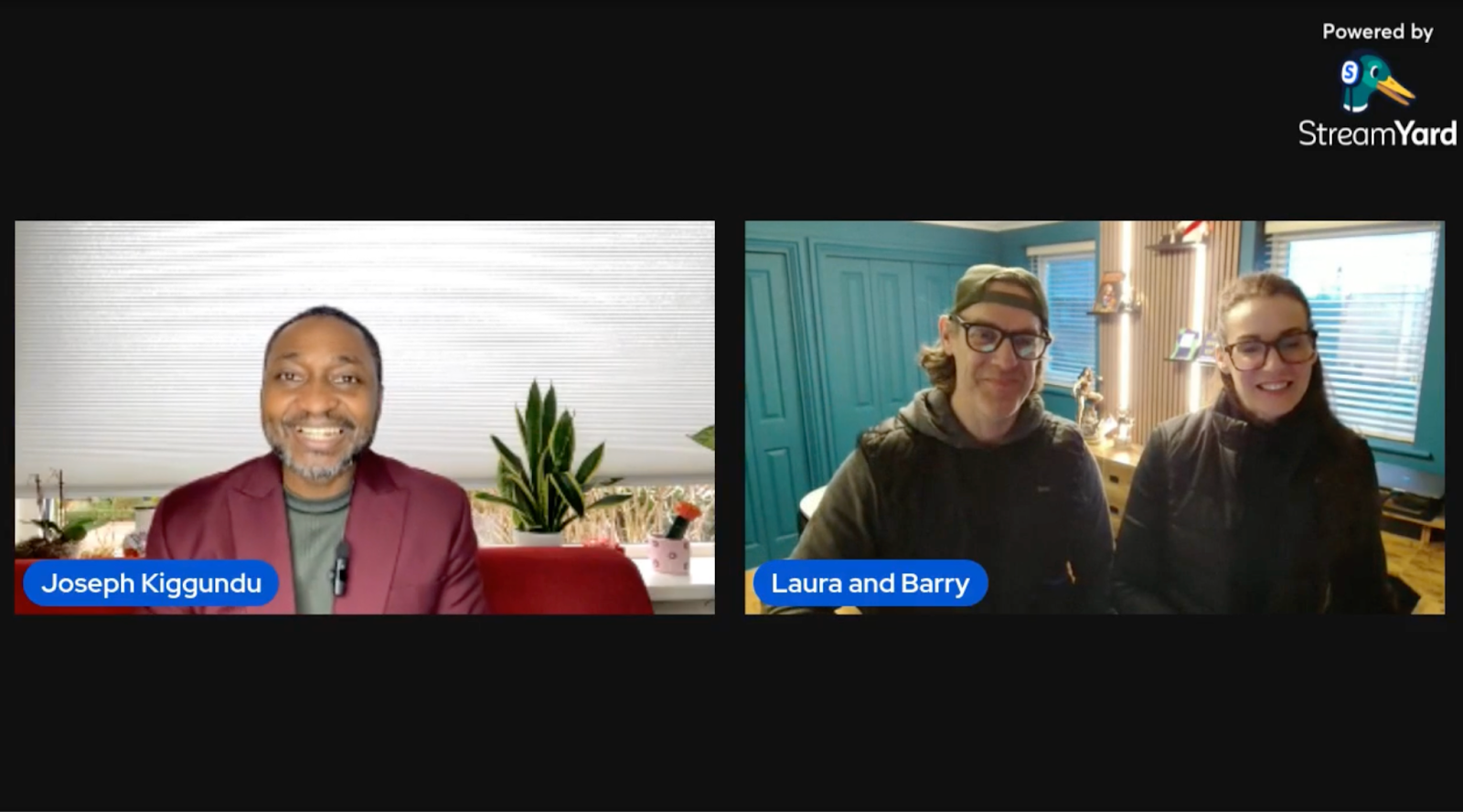
The People Behind the Posts welcomes Laura Ash and Baz Ash, a power couple dedicated to combating burnout and promoting resilience. Drawing from their own experiences and professional expertise, they share insights on how to work, live, and lead sustainably without the risk of burnout. Through this conversation, they offer practical strategies for building resilience, managing energy, and maintaining a healthy work-life balance in a world that’s always demanding more from us.
Their message is clear: burnout isn’t inevitable — it’s preventable.
Here are the key lessons from their conversation:
1. How to Recognize the Early Signs of Burnout and Take Action
"Burnout doesn’t just hit you; it slowly chips away at your energy until you’re left with nothing." — Laura Ash
Laura and Baz emphasized the importance of recognizing the early signs of burnout before it leads to a complete breakdown. Often, people push through their symptoms — feeling stressed, snappy, or mentally drained — thinking a holiday or short break will fix it. But burnout doesn’t wait; it strikes when your body and mind shut down.
According to the Mayo Clinic, burnout is a state of emotional, physical, and mental exhaustion caused by excessive and prolonged stress. Recognizing burnout early is key to managing and preventing it.
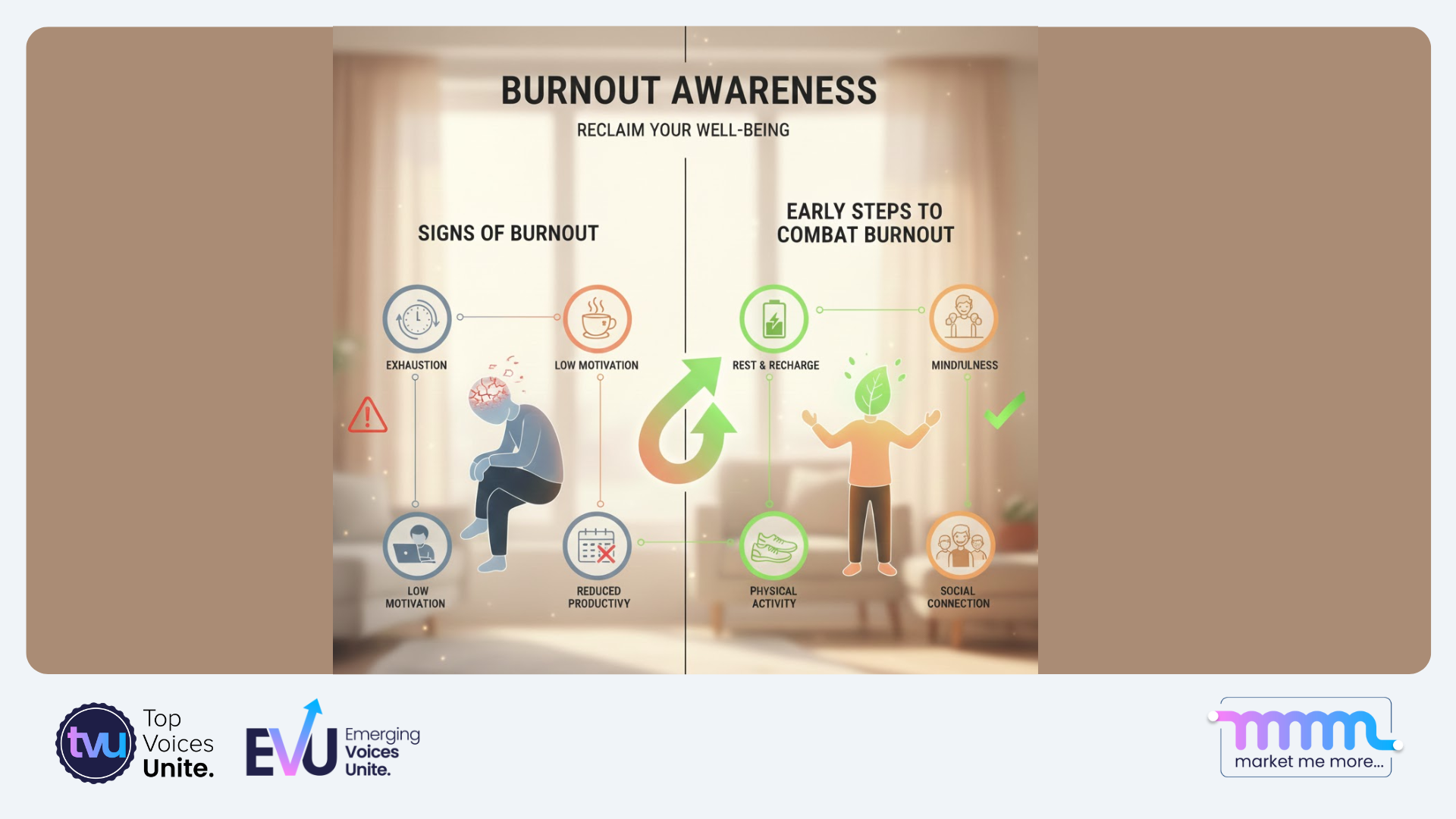
2. Why Understanding Your Energy is the Key to Preventing Burnout
"Burnout isn’t about time; it’s about energy. People burn out because they spend their energy on things that drain them." — Barry Ash
Barry shared a crucial insight: burnout is an energy crisis, not a time shortage. He compares daily energy to spending money: if you continuously spend without replenishing, you’ll go bankrupt. Understanding how your energy drains and recharges is vital.
Barry suggested starting by identifying what energizes you versus what depletes you. By doing more of what replenishes your energy and minimizing what drains it, you can avoid reaching burnout.
Research from the Harvard Business Review explains that managing your energy — not just your time — is critical for avoiding burnout and maximizing productivity. Harvard Business Review on Energy Management
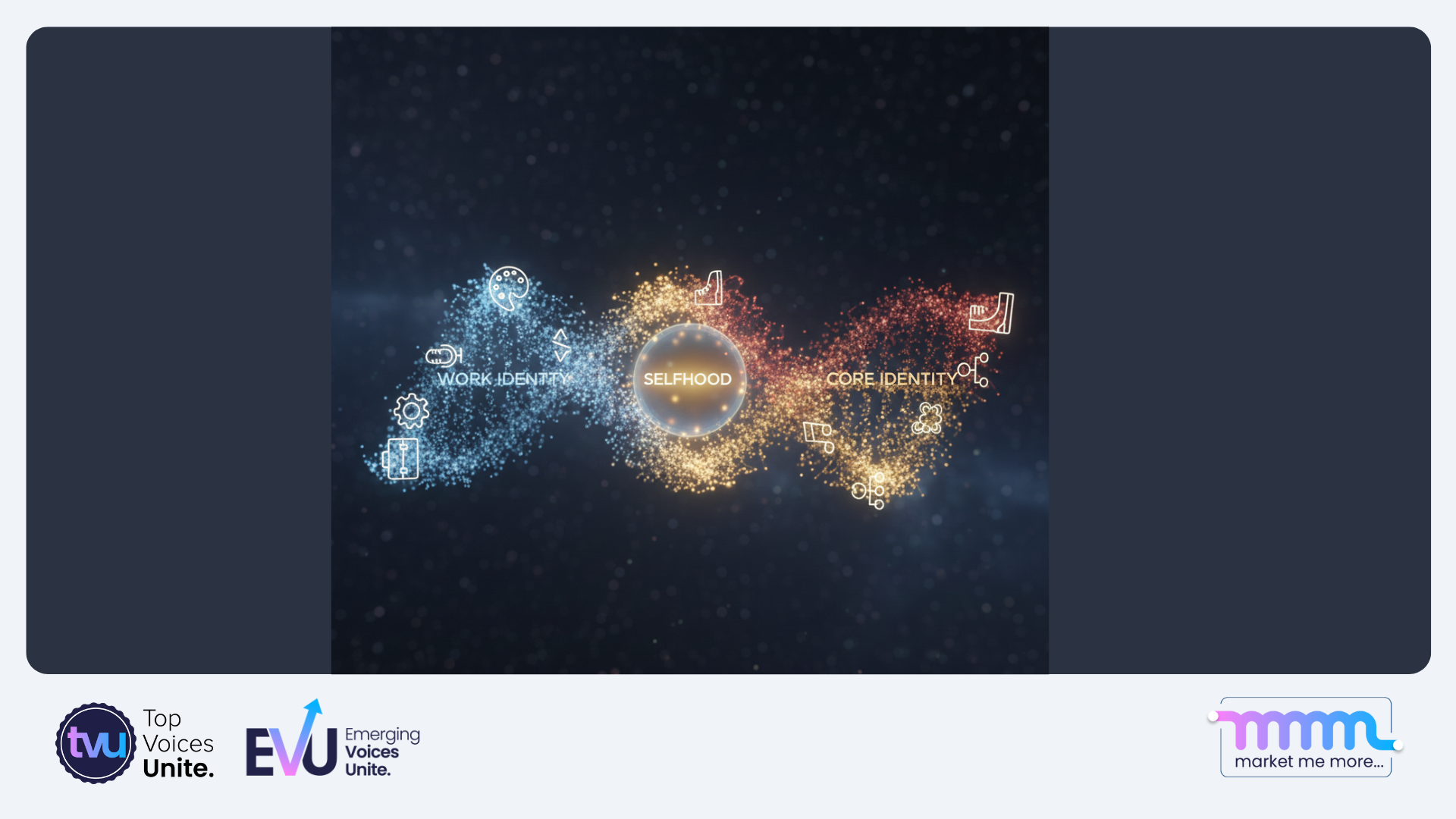
3. How to Rebuild Resilience by Connecting to Your Core Identity
"Burnout often comes from losing touch with your core identity. When you over-identify with your role, you risk burning out." — Laura Ash
Laura explained that burnout is often caused by an identity crisis. When we tie our worth solely to our work or roles — such as “business owner” or “parent” — we risk losing sight of who we are outside of those labels. Reconnecting to your core identity is essential for building resilience and maintaining emotional health.
“Separate your self-worth from your role. You are not your business. You are not your job. You are you.” — Baz Ash
The Ashes emphasized the importance of identity alignment, which can significantly reduce stress and increase overall well-being.
Psychologist Dr. Sherrie Bourg Carter explains that a strong sense of self outside of professional roles can help mitigate burnout and enhance overall happiness. Here is Psychology Today on Overcoming Burnout.
4. How to Stress Less and Live More: Practical Tips for Managing Stress
"Stress is a natural response, but we need to learn how to manage it. It’s not about eliminating stress but building a healthy relationship with it." — Laura Ash
Laura and Baz framed stress as a biological response, not something inherently negative. When managed well, stress can be a catalyst for growth. The Ashes suggest an 80/20 balance, where 80% of your time is spent in a restful, recovery state, and 20% in a stress state (fight or flight). The goal isn’t to eliminate stress but to manage it in a healthy way.
“Stress is the body’s way of telling you something needs attention. It’s not a monster — it’s a messenger.” — Barry Ash
They also explained how reframing stress can reduce its negative impact. When people recognize stress as a natural, manageable reaction, they can respond with greater calmness and clarity.
The American Psychological Association explains that managing stress through relaxation techniques can prevent burnout and improve overall health.
What You Can Do Next to Prevent Burnout and Build Resilience
1. Recognize the Early Signs of Burnout and Take Action
Identifying burnout early is crucial. Regularly check in with yourself and others to assess emotional, physical, and mental states.
2. Manage Your Energy, Not Just Your Time
Understanding what energizes you and what drains you is key to preventing burnout. Learn to budget your energy the way you would your finances.
3. Reconnect with Your Core Identity
Separate your self-worth from your role. Identify and nurture what makes you unique outside of your job or title.
4. Build a Healthy Relationship with Stress
Reframe stress as a natural, biological response. Learn to manage it by balancing relaxation with productive action.
3 Ways to Continue Your Growth in Resilience and Burnout Prevention
📺 Watch the Full Episode of "The People Behind The Posts: Conversations with Laura and Baz Ash"
In LinkedIn: The People Behind The Posts: Conversations with Laura and Baz Ash
🤝🏻 Connect With the Host & Guests
- Explore Laura Ash’s LinkedIn for insights on burnout prevention, energy management, and resilience building. Follow her work for practical tips on staying energized and stress-free in today’s fast-paced world.
- Join Jose Kiggundu on LinkedIn for weekly conversations focusing on leadership, resilience, and human-centered growth.
Final Thought
"Stress doesn’t define you; your response to stress is what shapes your life. By learning to manage stress and energy, you can live more and stress less." — Laura Ash
As we wrap up today’s conversation, remember that resilience isn’t just about bouncing back from adversity. It’s about learning to thrive in the face of life’s inevitable stressors. By reconnecting with your core identity, managing your energy, and reframing stress, you’ll be better equipped to face the challenges ahead — without burning out.
How to Rethink Wealth After Hearing 40 Hours of Financial Advice (Top 10 Lessons of 2025)
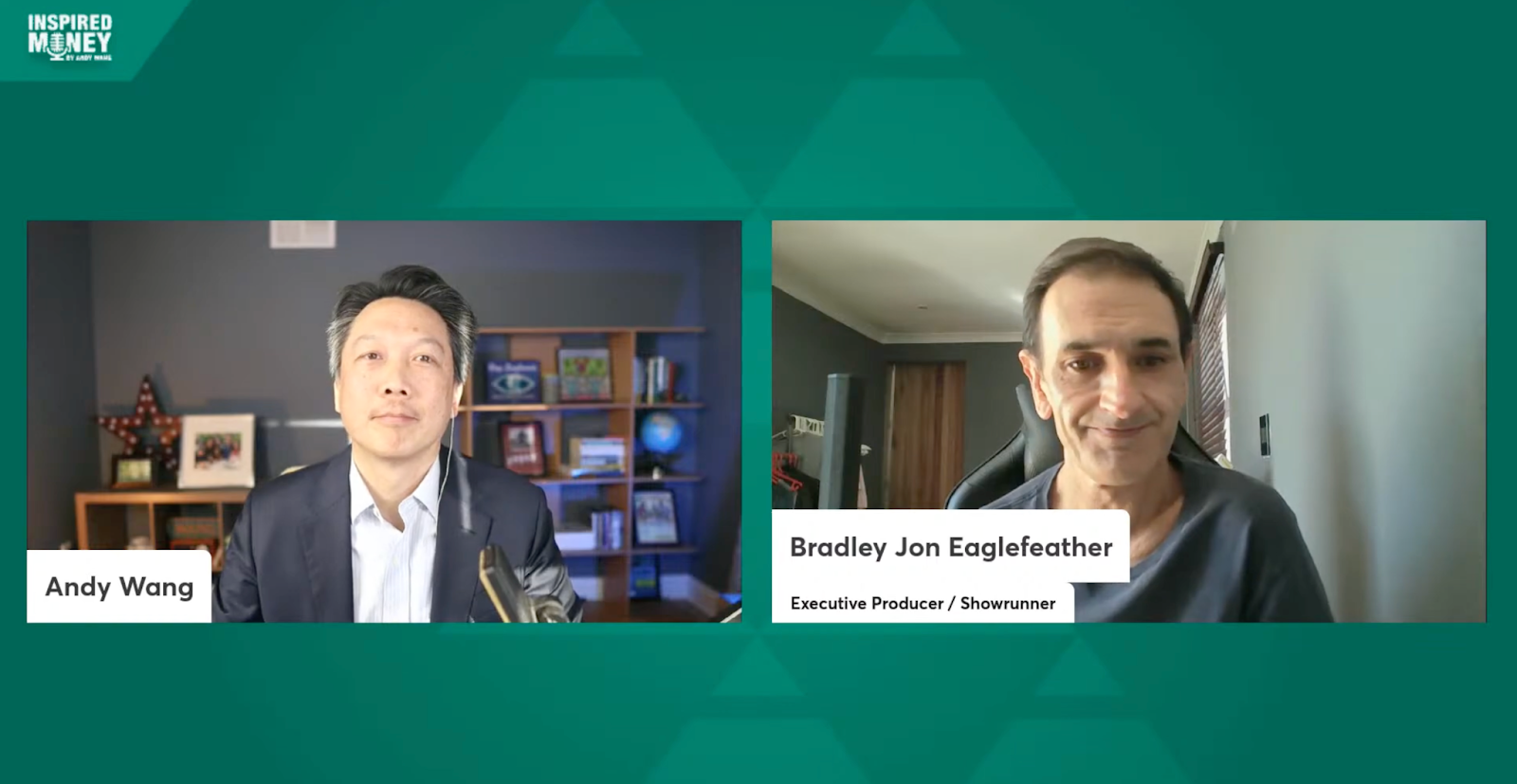
Building wealth isn’t just about picking the right stock or saving more money—it’s about how you think, decide, and live. After reviewing more than 40 hours of conversations with 100+ experts—from financial legends to psychologists and philosophers—Andy Wang distilled the most transformative insights into one powerful year-end episode.
This wasn’t about surface-level tips. It was about paradigm shifts—ideas that fundamentally change how we earn, spend, and define success.
Below are the Top 10 insights that stood out in 2025, each rooted directly in the conversations and voices featured on Inspired Money.
#1 How to Redefine Wealth by Understanding “Life Energy”
“Money is something that you trade your life energy for.” — Victoria R.
Vicki Robin reframed money not as currency—but as hours of your life. Every dollar represents time you’ll never get back. When viewed through this lens, spending becomes intentional, not emotional.
Research in behavioral economics confirms that values-based spending leads to higher long-term happiness than income growth alone.

#2 Why Purpose Is Found in Small Actions, Not Big Goals
“Purpose isn’t something you hunt down—it’s something you practice.” — Jordan Grumet
Jordan Grumet challenged the myth of the “big, audacious purpose.” Instead, he emphasized small, intentional activities—the daily moments that create meaning and fulfillment over time.
🔍 Additional Insight
Psychology research shows that process-oriented purpose reduces anxiety and increases life satisfaction.
#3 How to Stop Learning and Start Making Progress
“Information without action is waste.” — Pat Flynn
Pat Flynn exposed a common trap: confusing preparation with progress. Consuming endless content creates the illusion of movement without results. Real growth comes from taking the next imperfect step.
An article shows that just-in-time learning dramatically outperforms information hoarding.
#4 How to Let Inflation Work For You Instead of Against You
“Inflation pays your debt back for you.” — Jason Hartman
Jason Hartman explained how long-term, fixed-rate debt—especially in real estate—can benefit from inflation, as future dollars become cheaper.
This confirms that inflation reduces real debt burdens over time.
#5 Why Panic Is the Most Expensive Financial Mistake
“Sometimes the smartest move is to do nothing.” — William Bengen
The creator of the 4% Rule warned that market panic—especially during inflationary periods—causes irreversible damage. Patience often outperforms reaction.
#6 How Seven Seconds Can Change Your Financial Decisions
“With seven seconds of courage, you can change your life.” — Charlene Wheeless, MA, MBA, ICF-ACC
Charlene introduced a neuroscience-backed framework: wait six seconds for cortisol to pass, then act decisively. Those seven seconds can prevent years of regret.
#7 Why Blockchain Is the Defense Against AI Deepfakes
“AI fakes. Blockchain authenticates.” — Merav Ozair, PhD
In a world of synthetic media, blockchain may become the digital notary—preserving truth and trust in financial and informational systems.
This article highlights blockchain’s role in verification and data integrity.
#8 How Credit Scores Really Work (And Why Due Dates Matter)
“Paying on the due date can hurt your score.” — Anthony Davenport
Credit card balances are reported on specific dates—not due dates. Paying before reporting dates can instantly improve your score.
Consumer Financial Protection Bureau confirms reporting timing impacts credit utilization.
#9 Why Financial Healing Requires Compassion, Not Shame
“We might be broke, but we’re not broken.” — Saundra Davis
Saundra reframed emotional spending as protection, not failure. Financial trauma heals through self-awareness, not judgment.
#10 How Happiness Became the Real Currency
“At best, money is a means. Happiness is the end.” — Tal Ben-Shahar
The year closed with a powerful reminder: money only matters insofar as it supports a meaningful, connected life.
How to Carry These Financial Lessons Forward
The biggest takeaway from this year-end conversation is simple: money works best when it supports the life you want—not when it becomes the goal itself. From redefining wealth as life energy to understanding the emotional side of financial decisions, these insights remind us that progress comes from clarity, patience, and intentional action.
Rather than trying to apply everything at once, start small. Choose one idea that resonated—whether it’s spending more consciously, slowing down your investing decisions, or reframing success around happiness instead of accumulation. Over time, those small shifts compound into meaningful change.
As the voices on Inspired Money made clear, financial freedom isn’t about chasing more—it’s about aligning your resources with what truly matters.
3 Ways to Continue the Conversation
📺 Watch the Full Episode of I Reviewed 40 Hours of Financial Advice So You Don’t Have To (Top 10) — Inspired Money
🤝 Connect with the Host
- Andy Wang — Explore more insights on purpose-driven wealth and long-term financial clarity.
🎬 Meet the Executive Producer
- Bradley Jon Eaglefeather (LION) — Discover how Human-Centric AI Design transforms complex financial ideas into powerful visual narratives.