What If Your Blind Spots Are Your Competitive Advantages?

The most critical insights often come from the questions we're not asking.
This week, four standout conversations tackled topics most leaders avoid and they are all pointing to one uncomfortable truth:
Your blind spots aren't random. They're usually where your greatest competitive advantages are hiding.
Over the next four sections, you'll discover exactly what disability advocates, storytelling strategists, financial experts, and founder psychologists are revealing about real leadership in 2026. By the end, you'll have a complete reframe of what inclusion, influence, planning, and wellbeing actually require.
The question isn't whether these topics apply to you. The question is:
Which blind spot is costing you the most?
How to Build Financial Confidence Through Life's Major Transitions
Stop treating disability as a compliance issue. The uncomfortable reality?
Unemployment among disabled professionals is twice that of non-disabled peers (U.S. Bureau of Labor Statistics), yet companies that actively hire disabled employees see 28% higher revenue and 30% stronger profit margins. (Accenture)
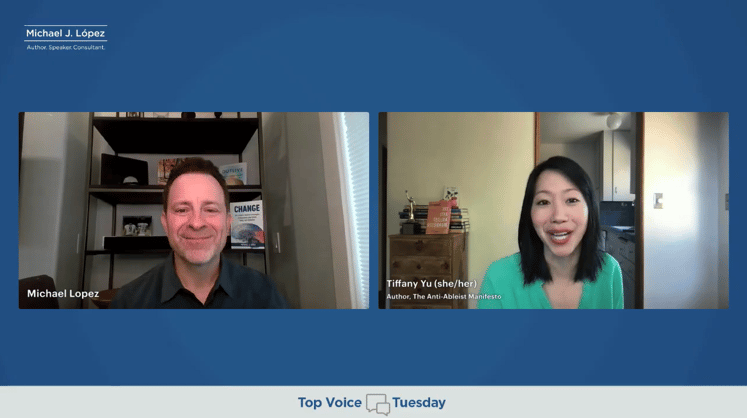
Tiffany Yu, disability advocate, author of The Anti-Ableist Manifesto, and founder of Diversability, speaking with Michael Lopez on Top Voice Tuesday, exposed why disability inclusion remains one of the most misunderstood competitive advantages in business.
Here's what most leaders miss: Disability inclusion isn't about fixing disabled people. It's about redesigning systems that were built wrong in the first place.
The Breakthrough: From Compliance to Competence
Tiffany opened with powerful perspective on what makes inclusion real:
"About 62% of workplace disabilities are non-apparent, and 80% of employees with disabilities don't disclose them because they don't feel psychologically safe."
💡Disability Employment Statistic:
Roughly 60 million Americans—20% of the population—live with disabilities, many of whom want to work (CDC Disability and Health)
What Are the Hidden Disabilities Costing You?
Michael connected this to the deeper work required:
"The willingness to have courageous conversations is what I'm hearing from you about naming it, moving into it, having the discussion. I always use the phrase: the only way is through. You can't go around these issues. You've got to go through them."
This shift moves beyond compliance toward systemic change.
Your Action Item: Survey your team anonymously about psychological safety.
Ask: "Do you feel safe disclosing needs or challenges to your manager?"
The gap between "yes" and "no" is your inclusion opportunity.
How Much Does Real Accessibility Actually Cost?
Tiffany tackled one of the biggest myths keeping leaders from action:
"The majority of accommodations cost zero dollars."
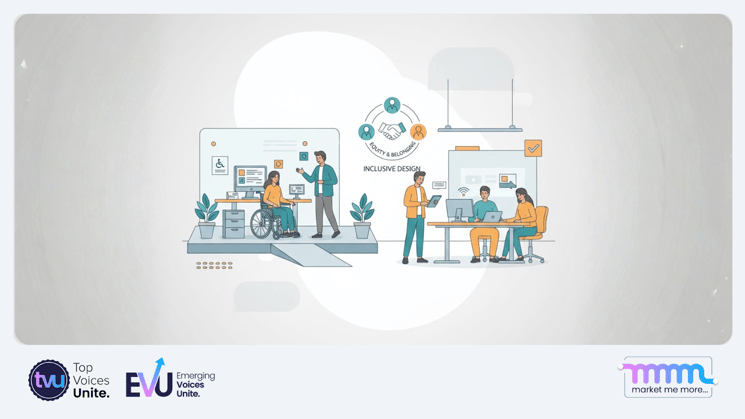
She reframed "accommodations" as design experiments that benefit everyone:
Practical, low-cost examples that transform team productivity:
- Enabling closed captions (benefits non-native speakers too)
- Using meeting summaries (helps everyone stay aligned)
- Sending clear follow-up notes (prevents miscommunication)
- Flexible work arrangements (increases retention across the board)
💡Accessibility Investment ROI:
- 70% of accommodations cost nothing, and another 25% cost under $500 [Job Accommodation Network (JAN)]
- Closing the disability employment gap could add $240 billion to the U.S. GDP annually (McKinsey & Company)
Your Action Item: Audit your team's tools and policies.
Which accessibility upgrades cost nothing but could unlock massive productivity gains?
Replay + Resources
📺 Watch the Full Episode of “Rethinking Disability: The Power of Seeing Difference as Strength”
- In LinkedIn:
- In YouTube
Join the next episode of Top Voice Tuesday with John Kraski on December 16 at 12:00 PM EST on LinkedIn Live. Register here!
📬 Get the most of the insights from our featured Top Voices in this episode!
→ Company Website: Diversability
→ Purchase her book “The Anti-Ableist Manifesto” on Amazon!
→ Newsletter: Friday Focus
→ YouTube Channel: Michael J. Lopez
→ Purchase his book “CHANGE” on Amazon!
What Story Are You Trying to Tell and Does Your Content Actually Tell It?
Stop posting without narrative. The uncomfortable reality?
Founders who lack narrative clarity struggle to raise capital, recruit talent, and articulate why their work matters—while those with clear stories build communities that drive exponential growth.
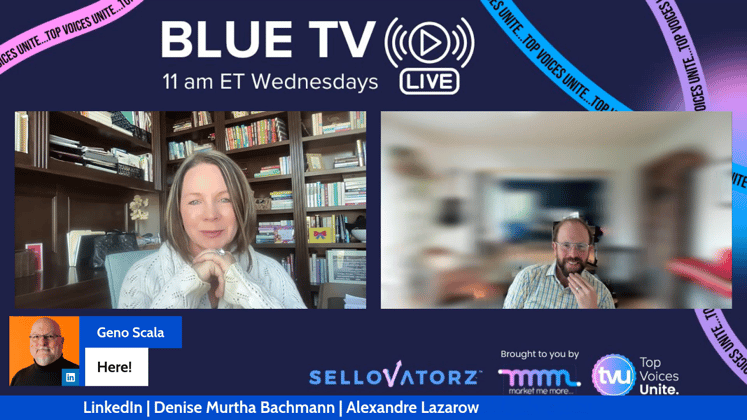
Alexandre Lazarow, venture investor and author, speaking with Denise Murtha Bachmann on Blue TV, exposed why storytelling isn't a marketing tactic—it's the foundation of trust, credibility, and long-term engagement.
Here's what most creators miss:
Your story is a strategic asset. Without it, you're broadcasting into the void.
The Breakthrough: Your Story Is Strategic Infrastructure
Alexandre opened with a fundamental truth about what separates successful founders:
"Storytelling and being succinct, combined with vision around what you're doing and why it matters—with clarity on why you're gonna win. That's the art form."
This distinction separates founders who pitch from founders who convince:
💡Storytelling Impact Statistics:
71% of consumers expect leaders to speak openly about challenges (Edelman Trust Barometer 2024)
How to Structure a Powerful Narrative
The structure reflected in Denise and Alexandre's conversation provides a repeatable framework you can use across LinkedIn, pitch decks, newsletters, and community building:
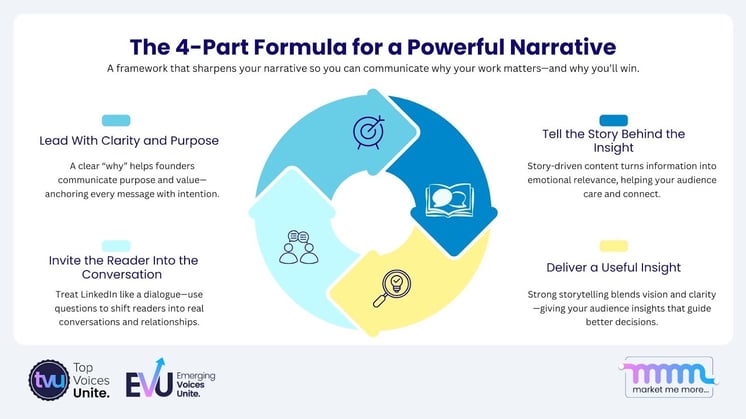
- Lead With Clarity and Purpose
Alexandre noted that strong founders can articulate purpose from the very first sentence—why their work matters and why it's the highest use of someone's time.
Opening your content with a clear "why" sets the anchor for everything that follows.
- Tell the Story Behind the Insight
Storytelling is how you make people care.
As Denise explained, nobody wants to be told—they want to be brought into a story, able to imagine themselves in it. Stories transform passive information into emotional relevance.
- Deliver a Useful Insight (Not Just Inspiration)
Alexandre emphasized that great storytelling blends vision + clarity:
Here's what we're doing → Here's why it matters → Here's how we will win.
Every piece of content should help someone:
- Think more clearly
- Make a better decision
- See a pattern they missed
- Invite the Reader Into the Conversation
According to Denise, engagement happens when you treat LinkedIn like a dialogue, not a broadcast.
"Go review your content, find out whether or not you're telling a story. Invite people into a conversation—that's how we accelerate it from posts into DMs, then eventually into emails."
It's how you move conversations from comments → DMs → email → real relationships.
How to Use Storytelling to Reengage Dormant LinkedIn Connections
One of the most applicable insights from this episode was how storytelling becomes a warm gateway for reactivating quiet or lost connections.
Instead of generic outreach, use story-anchored communication:
✔ Reflect what you've observed from their recent activity: Show attention, not automation.
✔ Personalize your narrative: Alexandre and Denise consistently model this—using details, context, and real dialogue rather than templated pitches.
✔ Ask a curiosity-driven question: This opens a natural conversation instead of creating pressure.
✔ Share something meaningful you're working on: Not as a pitch—but as an invitation into your world.
This small shift transforms dormant connections into active relationships—and positions you as someone worth engaging with.
Your Action Item: Rewrite one LinkedIn post using the four-part narrative structure: Why → Story → Insight → Invitation.
Track the engagement difference.
Replay + Resources
📺 Watch the Full Replay of this Week’s Blue TV Episode:
Catch the next episode of Blue TV on December 17 at 11:00 AM EST (10 AM CST) with our Top Voice host Denise Murtha Bachmann and our guest speaker Jenny Fernandez on LinkedIn Live. Register here!
📬 Get the most of the insights from our featured Top Voices in this episode!
→ Company Website: Fluent Ventures
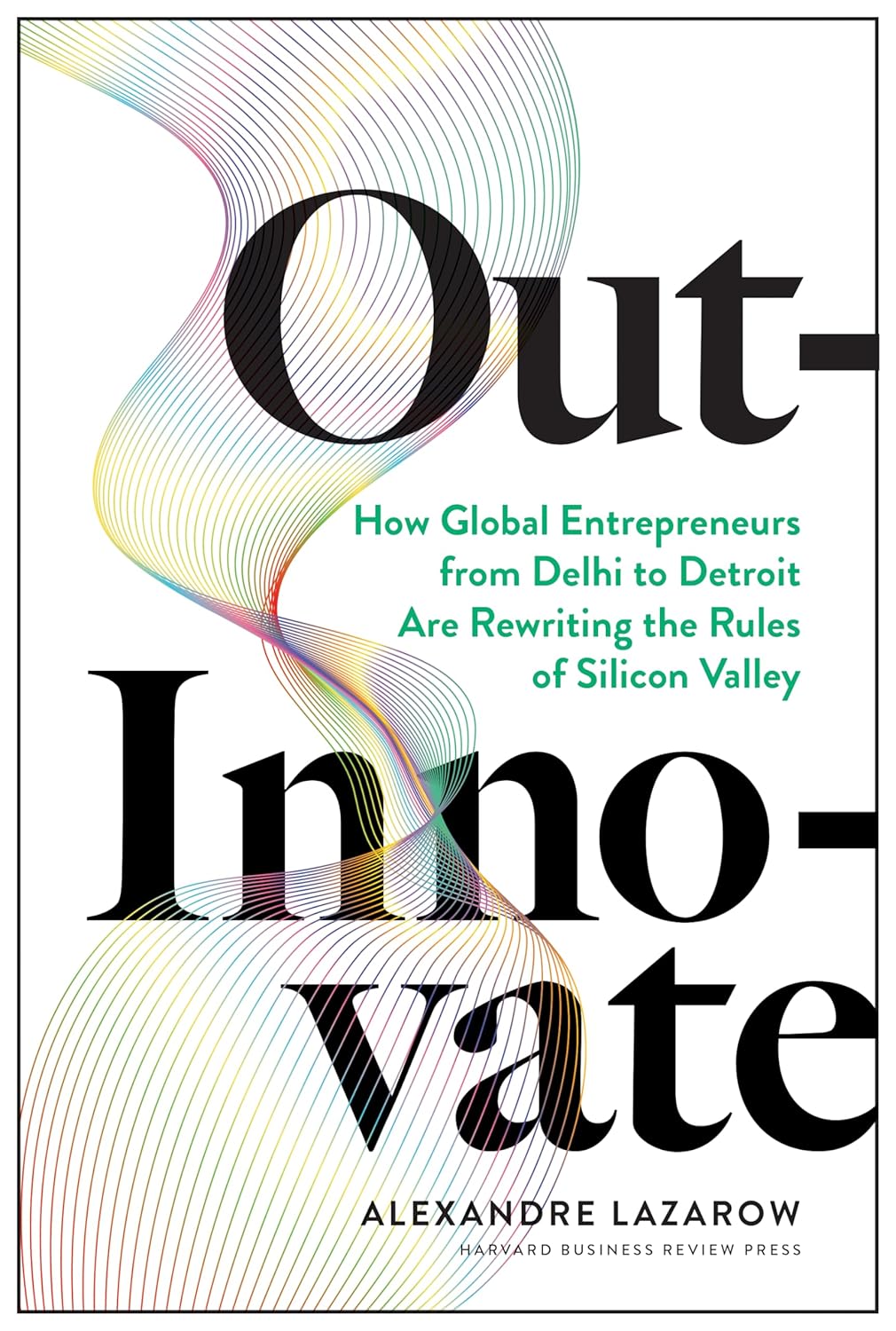
→ Check & purchase his book "Out-Innovative" on Amazon!
→ Company Website: Sellovatorz
→ Book a 1:1 Sales Strategy Call with Denise → [Scheduling Link]
============================================================Are You Ready for Retirement, or Just Ready to Stop Working?
Stop confusing financial readiness with retirement readiness. The uncomfortable reality?
More than 10,000 people reach retirement age every day in the U.S. (America Counts Staff), yet research from Stanford’s Center on Longevity shows that while many Americans plan financially for retirement, emotional readiness—purpose, identity, and social connection—often lags behind.
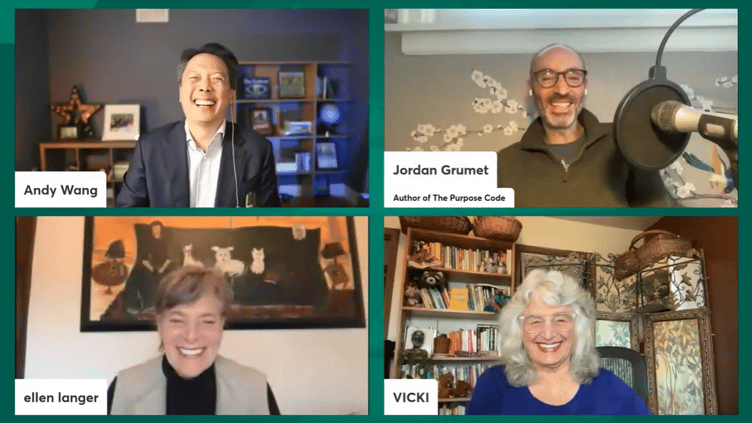
Andy Wang, speaking on Inspired Money with financial thinkers Vicki Robin, Jordan (Dr. G) Grumet, and psychologist Dr. Ellen Langer, exposed what truly separates meaningful retirement from just stopping work.
Here's what most people miss:
Retirement isn't a destination. It's a transition that requires clarity about meaning, not just money.
The Breakthrough: From Stopping to Shifting
Andy framed the entire conversation by challenging the outdated retirement model:
"A fulfilling retirement starts long before you stop working. It starts with awareness, intention, and small experiments that will help you build a life that you actually want to live."
This simple reframe changes everything. It's not about financial depletion—it's about intentional redesign.
💡Retirement Readiness Statistics:
- Cognitive engagement and social participation are linked to lower rates of cognitive decline and improved longevity (Oxford Journals)
- Spending on experiences and relationships delivers greater long-term happiness than material consumption (American Psychological Association)
What Is the Real Currency of Retirement?

Vicki, author of Your Money or Your Life, brought attention to what most retirement planning ignores. She reframed retirement as an active phase requiring engagement:
"Financial independence isn't about excess—it's about preserving the freedom to stay mentally present, adaptive, and connected.”
Your Action Item: Define your retirement not by a number, but by three things you want to do regularly: think, connect, and contribute.
What Choices Do You Actually Want in Retirement?
Dr. G, physician and author, reframed retirement as a period defined by autonomy rather than limits:
"What I like about retirement is this idea that you now have a lot more choice."
Your Action Item: List 5 choices retirement will give you. Which excites you most?
Start experimenting with that choice now, before retirement arrives.
How Should You Actually Spend Money in Retirement?
Drawing from his work as a hospice physician, Dr. G shared something most financial advisors won't tell you:
"I deal with death and dying a lot as a hospice physician and rarely do people tell me on their deathbeds that they regret how they spent their money. They wish they were a better version of themselves and connected with people who are important to them."
💡Spending and Happiness Statistics:
Retirees who retain control over their schedules and activities experience higher well-being and lower depression rates, regardless of income level. (Clinical Interventions in Aging)
Your Action Item: Review your last 3 months of spending.
Which purchases supported connection? Which were driven by habit or fear?
What Does Mindfulness Actually Do for Your Health?
Dr. Ellen, psychologist and researcher, grounded the conversation in decades of neuroscience:
"Mindfulness is the very simple process of active noticing."
🔎 Mindfulness and Longevity Statistics:
- Active noticing and cognitive engagement are linked to lower stress, stronger immunity, and improved vitality (American Psychological Association)
- Perception of aging significantly influences health outcomes—those who perceive aging positively show better physical function (Oxford Journals)
Your Action Item: Practice one new thing each day this week. Notice something you've never noticed before. Track how this affects your energy and mood.
Replay + Resources
📺 Watch the full episode of this week’s Inspired Money
- In LinkedIn
- In YouTube
Join the next episode of Inspired Money on LinkedIn and YouTube Live! Stay tuned.
🔎 Explore more from our Inspired Money host and panel of experts in this episode!
→ Purchase her book "Your Money or Your Life" on Amazon!


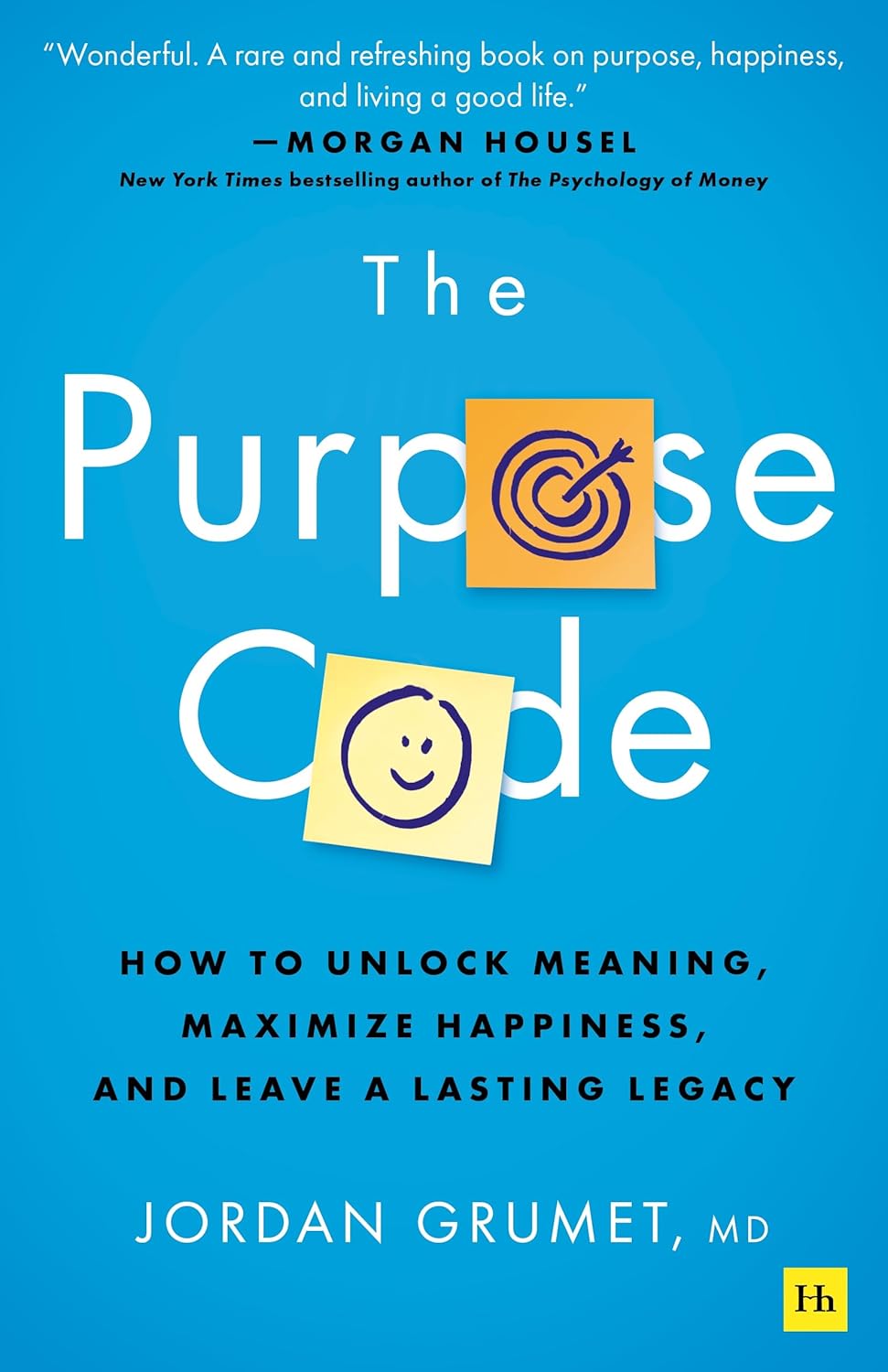
→ Check out and purchase Jordan’s books on Amazon or in Barnes & Noble!
- The Purpose Code - Amazon | Barnes & Noble
- Taking Stock - Amazon | Barnes & Noble

→ Podcast Website: Earn & Invest
→ Company Website: Psyhelp
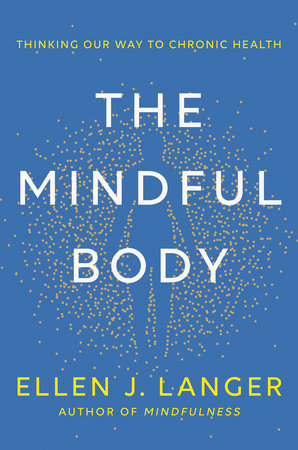
→ Purchase her book "The Mindful Body" on Penguin Random House!
→ Company Website: Runnymede Capital Management
→ YouTube Channel: Subscribe here!
→ Free 3-minute Financial Plan: Calculate your Retirement Income
======================================================
What Actually Breaks Founders and How to Stay Unbreakable?
Stop confusing motion with momentum. The uncomfortable reality?
Founders live in constant uncertainty, and when that uncertainty becomes chronic, it reshapes decision quality in ways most leaders don't recognize until it's too late.
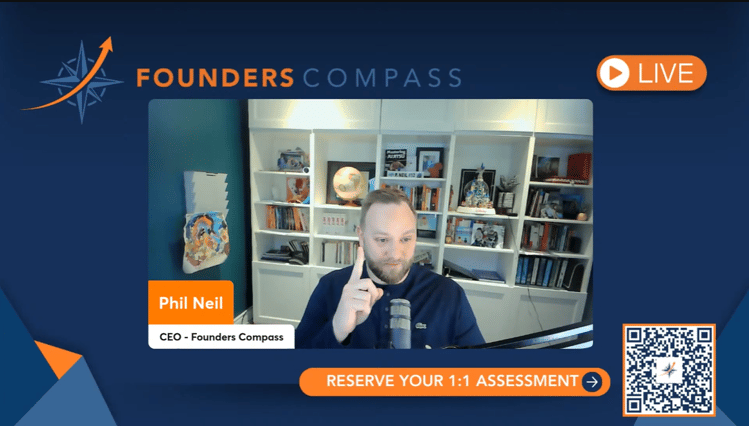
Phil Neil, CEO of Founders Compass and veteran entrepreneur, along with PJ Jackson on the pilot episode of Founders Compass Live, exposed what actually causes founder breakdowns—and how to stay clear under relentless pressure.
Here's what most founders miss:
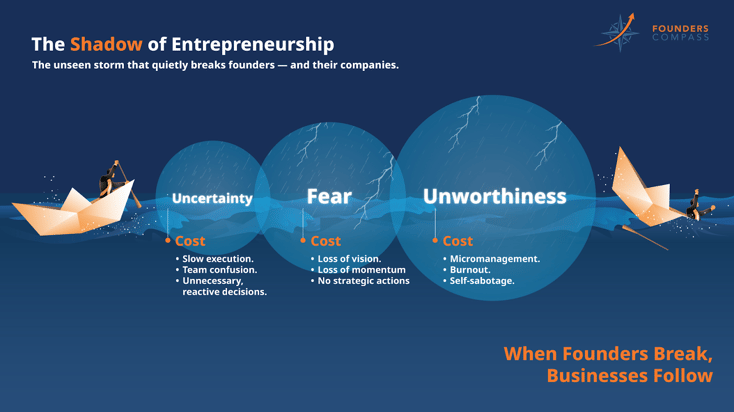
Burnout isn't caused by hard work. It's caused by decision-making under chronic uncertainty without nervous system regulation.
The Breakthrough: From Motion to Intention
Phil opened with a stark truth about entrepreneurship:
"Founders live on the lining of a coin—always outside their comfort zone."
Over time, external uncertainty becomes internal depletion. When uncertainty lingers, the nervous system seeks relief—often in the form of any decision, not necessarily the right one.
Your Action Item: Audit your recent decisions.
Which were driven by fear? Which by clarity?
The ratio is your stress indicator.
What Did Phil's Breaking Point Teach Him?
Phil shared a story that illustrates how even experienced founders can hit the wall:
"I reinvested fully into a nanotechnology venture. The business showed promise. Then everything stopped. My technical partners burned out and quit... the lab went dark and the business failed. That was my breaking point."
His conclusion was uncomfortable: Hustling only works when luck is on our side.
Your Action Item: Identify one area of your business where you're "hustling" instead of "strategizing." What would change if you paused for clarity?
Why Pause Is a Leadership Skill (Not Weakness)
Throughout the session, PJ reinforced a counterintuitive idea: pause is not weakness—it's capacity:
"If you don't take the time to pause and refine your center, you're never going to find clarity."
She guided the audience through a live breathing exercise to demonstrate how quickly the nervous system resets.
💡Nervous System Recovery Statistics:
Regulated breathing directly improves emotional regulation, attention, and executive function (Journal of Family Medicine and Community Health)
Your Action Item: This week, before making any major decision, pause for 2 minutes of intentional breathing. Notice how your clarity shifts.
Replay + Resources
📺 Watch the full Pilot Episode of “Founders Compass Live”
- In LinkedIn
- In YouTube
Join the next episode of Inspired Money next year on January 8th on LinkedIn and YouTube Live! Stay tuned.
📬 Connect with our People Behind the Posts host & speaker for this episode!
→ Company Website: Founders Compass
→ YouTube Channel: Subscribe here!

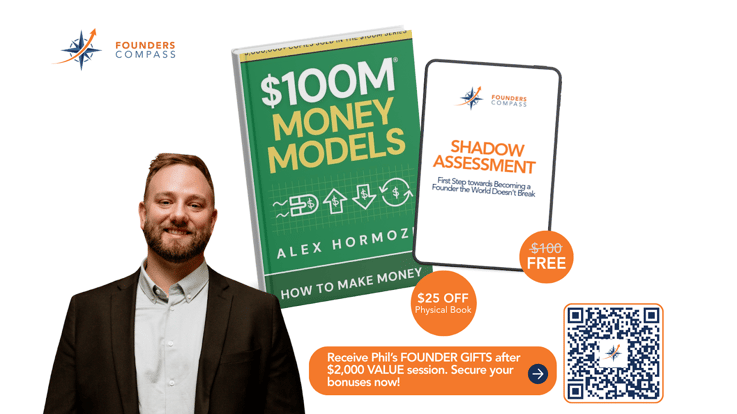
→ Claim Phil’s birthday takeaway gift until the end of December by scanning in the QR code below!

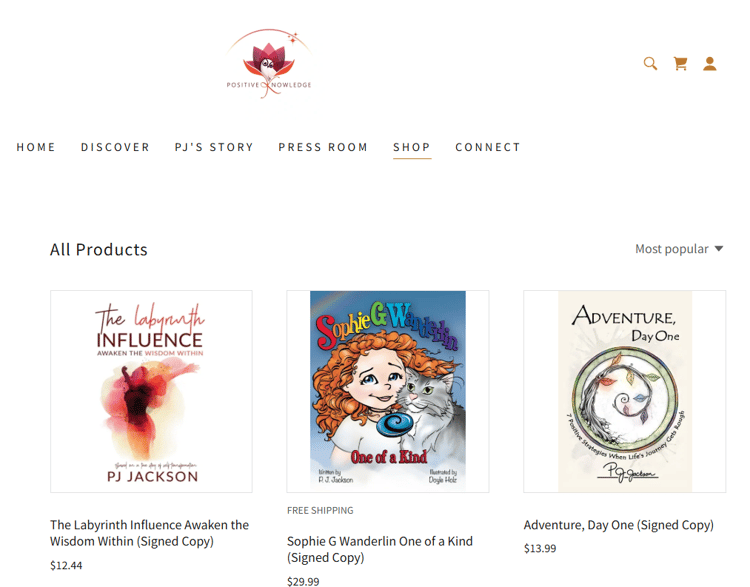
→ Check out and purchase PJ’s books on her website’s shop!
Your Master Summary: The 4 Blind Spots Reshaping Leadership in 2026
The pattern across all four conversations is clear:
The most critical leadership advantages in 2026 aren't tactical—they're systemic.
They come from seeing what others miss, thinking differently about what everyone assumes is fixed, and building organizations and lives around clarity instead of crisis.
Whether you're building inclusive teams, crafting authentic narratives, designing meaningful retirement transitions, or protecting founder mental clarity, four principles separate leaders who thrive from those who struggle:
Principle 1: Inclusion Unlocks Innovation — Disability inclusion isn't compliance. It's access to talent, markets, and perspectives competitors haven't noticed. The cost is usually zero. The ROI is massive.
Principle 2: Storytelling Is Strategic Infrastructure — Your narrative isn't a post. It's the foundation of trust, fundraising, recruiting, and community. Structure it. Refine it. Own it.
Principle 3: Transition Requires Intentional Design — Retirement readiness isn't financial. It's about clarity on meaning, regular connection, and practicing the choices you'll make. Start the experiment now.
Principle 4: Clarity Beats Hustle — Founder breakdowns aren't caused by hard work. They're caused by decision fatigue without nervous system regulation. Pause. Breathe. Choose deliberately.
Your 4-Week Implementation Roadmap
Week 1 (Inclusion): Survey your team on psychological safety. Identify one accessibility upgrade that costs zero dollars. Implement it.
Week 2 (Storytelling): Rewrite one LinkedIn post using the Why → Story → Insight → Invitation structure. Track engagement.
Week 3 (Retirement Readiness): Define what retirement means to you—not as a number, but as meaning. Start one experiment this week.
Week 4 (Founder Clarity): Before making your next major decision, pause for 2 minutes. Notice how your thinking shifts.
The Deeper Takeaway:
The leaders who thrive in 2026 won't be the busiest. They'll be the ones who see clearly—who notice the blind spots everyone else ignores, who design intentionally instead of react desperately, and who protect their capacity to lead.
This week's conversations provided the frameworks. Now your choices determine whether you replicate them.
Ready to see what you've been missing?
Pick one blind spot this week.
Design one experiment.
Build momentum.
The competitive advantage is yours to claim—and it starts with clarity.
============================================================Stay Connected to What Matters Most
Want more weekly strategy breakdowns like this?
- Subscribe to Scaling My Impact for weekly recaps and standout moments from our Top Voices Unite livestreams.
- Register for our weekly Market Me More newsletter to learn more from our Voices community, industry experts who teach on technology, sustainability, leadership, and go to market strategies, and how these affect the future of work.
Build your voice.
Expand your reach.
Lead with substance.