
How Do You Lead, Innovate, and Protect in a Changing Digital World?
5 Key Conversations on Cybersecurity, Leadership, and Career Growth for 2026
As we step into the new month, staying ahead in leadership is about more than just ambition—it’s about aligning your growth with the right intentions.
This edition brings together key insights on how to sharpen your leadership, storytelling, and career strategy for 2026, as well as how to thrive through the challenges of our rapidly evolving world. Whether you're refining your executive presence or building your personal brand, this week’s conversations will provide actionable advice to guide your year ahead.
Stay tuned until the end of this newsletter for last week’s poll results—and see how our community is gearing up for leadership growth!
Why the Cybersecurity Landscape is Changing: How AI Powers New Threats
In this episode of Top Voices Tuesday, Michael Lopez dives into the revolutionary role that AI plays in reshaping cybersecurity. Joined by cybersecurity expert Matthew Rosenquist , the conversation explores how AI is both empowering cyber attackers and revolutionizing defensive strategies.
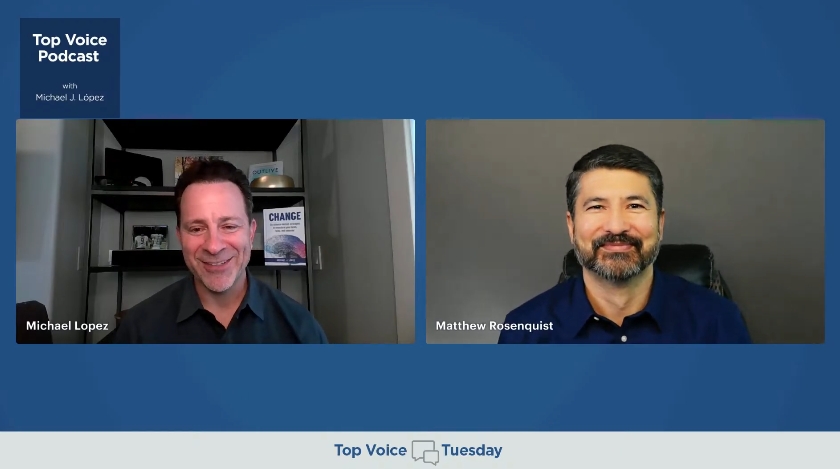
Why the Cybersecurity Landscape is Changing: How AI Powers New Threats
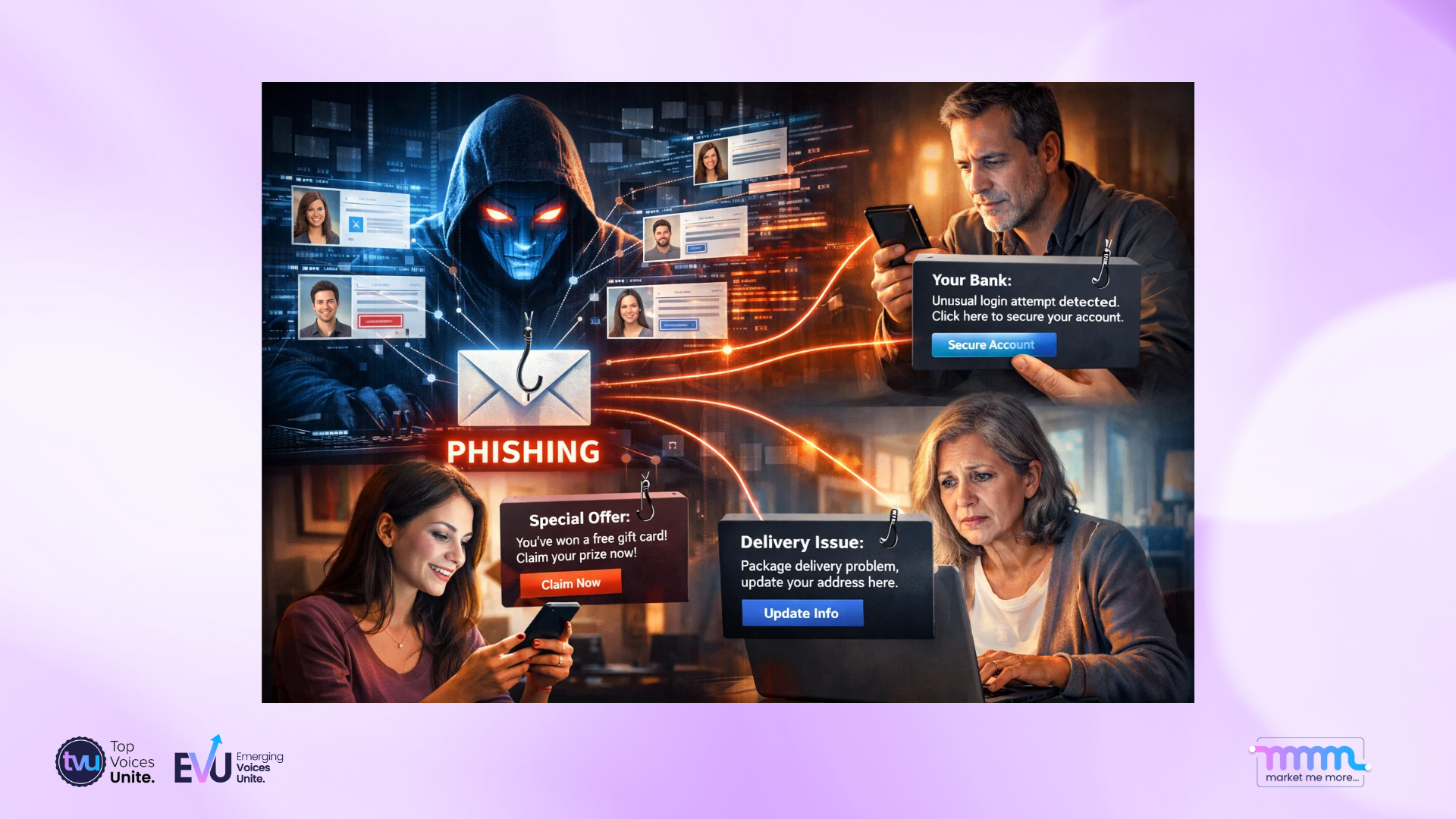
“AI-generated phishing attacks mimic executives and exploit common human weaknesses, such as urgency and authority, making them harder to detect.” — Matthew Rosenquist
AI has increased the scale of cyberattacks—enabling cybercriminals to target hundreds of thousands of people daily, leveraging advanced social engineering techniques. As Rosenquist explained, these AI-driven attacks are more personalized, convincing, and stealthy than ever before.
How AI Tools Are Reshaping the Defender’s Playbook
“The next frontier in cybersecurity is harnessing AI to defend against its own potential.” — Matthew Rosenquist
As attackers gain more power, defenders are turning to AI to improve threat detection, response times, and automated defense. Rosenquist highlighted that AI is now an essential part of the defense strategy, allowing for faster, more accurate identification of threats.
AI’s role in cybersecurity extends to automation, where it is used to rapidly detect, mitigate, and respond to emerging threats. According to Serverion, AI is already revolutionizing vulnerability detection by automating critical tasks.
Why AI-Powered Cybersecurity Can’t Replace Human Judgment—Yet
“Humans still need to make key decisions—AI assists, but doesn’t replace.” — Matthew Rosenquist
While AI is a powerful tool, Rosenquist emphasized that human oversight is crucial for interpreting AI findings and making the final decisions. AI is excellent for detection and alerting, but humans must still guide and refine the process to maintain robust defenses.
How AI Is Improving Cybersecurity Response Times and Reducing Human Error
“AI gives us the ability to act faster and more accurately, reducing human error and response time.” — Matthew Rosenquist
AI-powered tools are already helping organizations respond to threats in real-time, significantly reducing human error and the delay in identifying vulnerabilities. By automating routine tasks, AI allows human teams to focus on more complex and strategic aspects of cybersecurity.
An article from Stronger Layer states that automation of routine tasks—like log analysis and threat monitoring—has already been shown to reduce response time by up to 50%.
3 Takeaways for 2026: Navigating the New Cybersecurity Era
- AI Is a Double-Edged Sword
- Real-Time Threat Detection Is a Game-Changer
- Humans Remain Vital to Cybersecurity
How to Prepare for the Future of Cybersecurity in 2026
The AI-driven cybersecurity revolution is already happening. Organizations must integrate AI tools into their defenses and stay ahead of the curve by continually training their teams. At the same time, it’s crucial to maintain human oversight to ensure that systems stay aligned with organizational priorities and ethical standards.
“Cybersecurity requires a blend of human expertise and AI automation. It's the next frontier of defense.” — Matthew Rosenquist
3 Ways to Continue the Conversation
📺 Watch the Full Episode
In LinkedIn: Why AI Is Rewriting the Rules of Cybersecurity — Top Voices Tuesday
In Youtube: Why AI Is Rewriting the Rules of Cybersecurity — Top Voices Tuesday
🤝 Connect With the Guest
Follow Matthew Rosenquist for expert insights into AI’s role in cybersecurity and the future of defense technologies.
📬 Get the most of the insights from our featured Top Voices in this episode!
- Connect with Michael Lopez to explore global conversations on leadership, innovation, and community building through Top Voices Tuesday.
Join the next episode of Top Voice Tuesday with Vinicius David on February 3 at 12:00 PM EST on LinkedIn Live. Register here!
- Learn from Michael’s latest thinking on change and transformation, along with current topics discussed on the Top Voice Tuesday Podcast and subscribe.
Why Fine Art is Becoming the Ultimate Inflation Hedge in 2026
In the latest episode of Inside Money Podcast, hosted by @Andy Wang, a group of esteemed experts — Philip Hoffman, Carina Popovici, and Nanne Dekking — discuss how fine art is increasingly becoming a compelling inflation hedge. From blue-chip art to AI-powered authentication, they cover everything you need to know about navigating this dynamic and valuable asset class.

How Can Fine Art Outperform Traditional Assets in an Inflationary Market?
Fine art has proven itself to be a resilient investment, particularly during times of economic uncertainty. As inflation erodes the value of traditional investments like stocks and bonds, art, especially works from established blue-chip artists, retains its value.
Philip Hoffman explains,
"Blue-chip artists like Klimt, Picasso, and Monet continue to command durable value in the market. These works aren't just for collectors; they are investment-grade assets."
The global appeal of these works means they are continually in demand, serving as a stable store of value.
What Role Does AI Play in Art Investment and Authentication?
As AI technology continues to reshape multiple industries, the art world is no exception. AI is now playing a critical role in art investment by verifying authenticity, tracking provenance, and assisting collectors in making informed decisions.
Carina Popovici, CEO of Art Recognition, emphasizes the growing importance of AI:
"AI is not just for detecting forgeries; it plays a crucial role in ensuring that art's provenance is verified and trustworthy, which is paramount in protecting investments."
AI-driven tools like these enable investors to avoid purchasing art with questionable backgrounds, significantly reducing risks in the art market.
Why Is Expertise Still Essential in Art Investment?
While technology offers enhanced verification and risk mitigation, experts still play an irreplaceable role in art investments. According to Philip Hoffman ,
"No amount of AI can replace the expertise required to assess the true condition and provenance of a work of art."
Understanding the subtle nuances of the art market requires years of expertise and an intimate knowledge of artist trends, market cycles, and condition grading.
3 Takeaways for 2026: Why Art Remains a Valuable Asset
- Art Is a Resilient Inflation Hedge "Investing in blue-chip artists provides a durable store of value, even in times of inflation." — Philip Hoffman.
- AI Technology Supports, But Doesn’t Replace Human Expertise "While AI tools are essential for authentication, expert judgment is crucial to truly assess value." — Nanne Dekking.
- Market Timing and Liquidity Are Key to Success "Success in the art market isn't just about acquisition — it's about knowing when to sell, how to navigate market cycles, and minimizing fees." — Philip Hoffman.
How Can You Prepare for the Future of Art Investing?
As the art market becomes more accessible through platforms like fractional ownership, it's important to integrate both technology and expert advice. While the market has democratized in many ways, it’s still essential to approach investments with a strategic mindset.
"Art is not just a commodity; it's a long-term investment," says Andy Wang.
"To maximize your returns, you must balance technology, expert insights, and patience."
📺 Watch the Full Episode
In LinkedIn: Why Fine Art Could Be Your Best Inflation Hedge Right Now — Inside Money Podcast
In YouTube: Why Fine Art Could Be Your Best Inflation Hedge Right Now — Inside Money Podcast
🤝 Connect with the Experts
- Follow Philip Hoffman for more insights into blue-chip art investing and navigating the art market.
- Connect with Carina Popovici for updates on AI-powered art authentication and the future of art tech.
- Explore Nanne Dekking’s insights on art investments and data-driven approaches in the art market.
- Engage With the Host Explore more discussions on investment, art, and finance with Inside Money Podcast host, Andy Wang .
- Company Website: Runnymede Capital Management
- YouTube Channel: Subscribe here!
- Free 3-minute Financial Plan: Calculate your Retirement Income
- LinkedIn Newsletter: Inspired Money
Why Leadership Requires Patience and Restraint
On this week’s Life Lessons Podcast, Tim • • Dickey shared powerful lessons from his career, beginning with "They Called Me Wrong". In this episode, Tim recalls a time when a senior executive dismissed his concerns about a project. The situation could have easily led to confrontation, but Tim chose to remain silent, trusting that the facts would speak for themselves.
“Sometimes, you have to keep your mouth shut and let the facts do the talking.” — Tim • • Dickey
The key takeaway? Patience and restraint in high-stakes situations are crucial for leadership. As Tim explained, leadership isn’t always about being vocal—it’s about letting data guide your decisions and allowing others to see the truth for themselves.

How Accountability Can Repair Trust in Leadership
The second episode, "Ruined My Day", highlights a moment of failure and how accountability can rebuild relationships. Tim shared a story about a conflict with a product owner that escalated into a public confrontation. Instead of letting frustration linger, Tim publicly apologized and recalibrated the team dynamic, leading to a more effective collaboration.
“Sometimes as a leader, you have to eat some crow and make a public apology.” — Tim • • Dickey
This episode underscores the importance of accountability and trust. When trust is broken, it’s essential to confront the issue openly and sincerely, allowing teams to rebuild stronger relationships moving forward.
Research on leadership and trust shows that acknowledging mistakes publicly and apologizing is crucial to maintaining a healthy work environment.
How to Pivot Like a Leader: Managing Career Changes Under Pressure
In the final episode, "From Subs to Boardrooms", Tim reflected on his decision to leave a leadership position at Carnival Cruise Line after a miscommunication in a brief meeting. Although the resignation was based on incomplete facts, Tim admits that his inability to manage stress and emotions during the situation led to a decision he later regretted.
“As a leader, it’s my responsibility to maintain my composure and not react impulsively.” — Tim • • Dickey
The biggest lesson here? Measured responses in the face of adversity are vital. When faced with challenging circumstances, leadership demands calmness and a commitment to understanding the full picture before taking action.

3 Key Leadership Takeaways from Tim’s Life Lessons
- Patience and Silence Are Powerful Tools Sometimes, not reacting immediately allows facts to emerge naturally and strengthens decision-making.
- Accountability Rebuilds Trust Owning up to mistakes publicly fosters an environment of respect and credibility, making teams stronger.
- Emotional Control Enhances Decision-Making Leaders must maintain composure, especially under pressure, to make sound, informed decisions.
How to Improve Your Leadership Skills in 2026
Looking to refine your leadership approach in 2026? Start by focusing on emotional control, accountability, and patience. Work on responding, not reacting to stressful situations, and always take the time to gather all the facts before making a decision.
“Leaders must be prepared to make tough decisions—but they must also know when to step back, evaluate the situation, and act with clarity.” — Tim • • Dickey
What to Do Next
📺 Watch the Full Episodes of Life Lessons Podcast
- They Called Me Wrong - https://www.youtube.com/watch?v=j7YVUCSXDls
- Ruined My Day - https://www.youtube.com/watch?v=H-KCevUQALI
- From Subs to Boardrooms - https://www.youtube.com/watch?v=S_L4NS6ALcg
🤝 Connect With Tim Dickey
Follow Tim • • Dickey for more leadership insights, career guidance, and practical advice on navigating life’s challenges.
- Personal Website
- Company Website: Improving
- YouTube Channel: Tim Dickey
How Founders Can Handle Pressure and Avoid the Cascade Effect

During the latest Founders Compass session, Phil Neil explores a hidden challenge that most founders face: the emotional pressure of leadership. He dives into how this pressure leads to what he calls the “Pressure Cascade”—the point at which stress and emotional strain from founders spill over to their team and, ultimately, the business.
“Founders often carry an invisible pressure, one that doesn’t show up in the metrics but can destroy decision-making and the business itself.” — Phil Neil
This cascade can start with uncertainty, fear, or unworthiness, which founders struggle with internally. However, when left unaddressed, these emotions can manifest in bad hires, internal conflicts, and a lack of direction, negatively impacting the business.
How the Emotional Shadow Affects Leadership
Phil emphasizes that founders are human, and they aren’t immune to emotional challenges. However, unlike other professions, founders are often alone in carrying this burden, with 81% of founders silently struggling with anxiety, depression, or burnout.
“The emotional toll of being a founder is unique. It’s a constant battle with uncertainty, fear, and self-doubt.” — Phil Neil
The result is a vicious cycle: founders’ emotional struggles impact decision-making, which affects their ability to lead effectively, ultimately hurting the company. In a business where trust and leadership are vital, this emotional strain can cascade across the team, causing stress and burnout within the workforce.
How to Prevent the Pressure Cascade: The 3C Protocol
Phil introduced the 3C protocol for managing founder pressure:
- Calm — Founders need to regulate their nervous systems first. Breathing exercises or personal anchors (such as family trips) are simple but effective tools to regain clarity.
- Clarify — Once calm, founders should identify their emotional state, whether it's uncertainty, fear, or unworthiness, and address it directly.
- Commit — Finally, they should commit to decisions made from a place of calm and clarity, avoiding rash reactions that could harm their business.
“The first step is always calming yourself down. You cannot think your way out of the shadow. You have to address your emotional state first to make clear, grounded decisions.” — Phil Neil
Phil emphasized that self-awareness is a key aspect of resilience, and managing emotional health is foundational for sustainable leadership.
Founders who apply emotional regulation techniques are 50% less likely to experience burnout and are more likely to make higher-quality business decisions in stressful situations.
3 Key Takeaways for Founders Facing Pressure
- Recognize Early Signs of Stress
- Build Emotional Resilience
- Understand the Pressure Cascade
How to Build a Sustainable Leadership Journey as a Founder
Phil concluded by explaining that founder success is often determined by their ability to navigate emotional challenges. When founders fail to address the pressure they face, it can lead to failure in their business. But with the right mindset and strategies—like the 3C Protocol—founders can prevent burnout, improve decision-making, and lead with clarity.
“Entrepreneurship is fundamentally about leading through uncertainty, and your ability to manage the emotional rollercoaster is key to long-term success.” — Phil Neil
What to Do Next:
📺 Watch the Full Episode
In LinkedIn: The Pressure Cascade: Why Founders Don’t Break First — Founders Compass Podcast
In Youtube: The Pressure Cascade: Why Founders Don’t Break First — Founders Compass Podcast
🤝 Connect With the Host
Follow Phil Neil for more insights on leadership, emotional resilience, and navigating the challenges of being a founder.
Last Week's Poll Results: Community Shout-Out
January is creativity in motion. With clean slates and fresh energy, this month gives us space to imagine, explore, and create in new ways — whether through ideas, conversations, or simply changing our environment.
Creativity doesn’t always arrive loudly. Sometimes, it shows up quietly.
We asked our community:
“What sparks your creativity at the start of the year?”
The results are in, and our community spoke clearly:
📊 Poll Results:
- Quiet Time: 100%
A special thanks to this Voice who voted and engaged:
Stay Connected to What Matters Most
Want more weekly strategy breakdowns like this?
- Subscribe to Scaling My Impact for weekly recaps and standout moments from our Top Voices Unite livestreams.
- Catch our past livestreams with our Voices here in our YouTube channel.
- Register for our weekly Market Me More newsletter to learn more from our Voices community, industry experts who teach on technology, sustainability, leadership, and go to market strategies, and how these affect the future of work.
Build your voice.
Expand your reach.
Lead with substance.